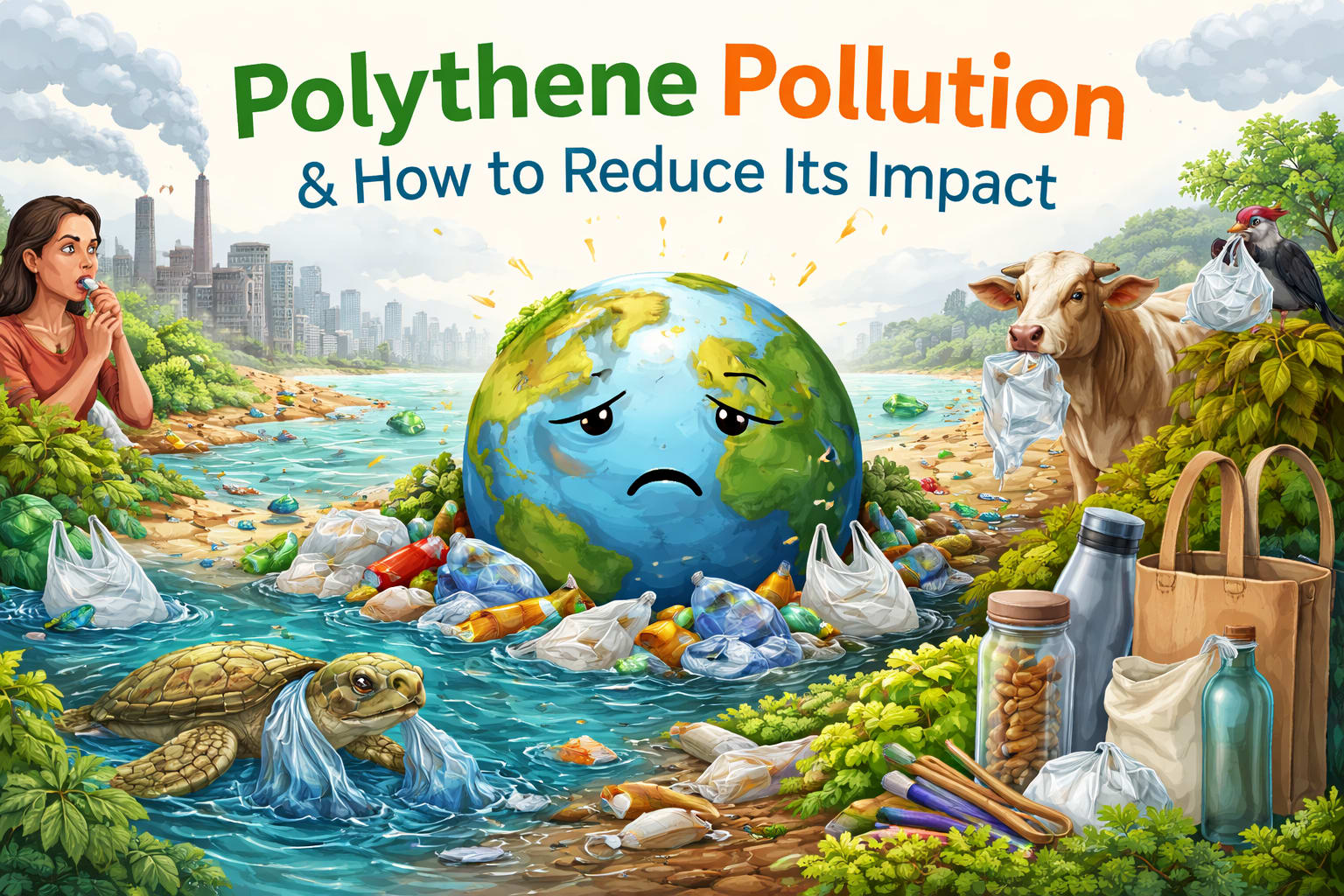
Polythene has become an inseparable part of modern life. From shopping bags and food packaging to industrial use, polythene is everywhere. While it may look convenient and harmless, its long-term impact on human health, environment, animals, and the planet is extremely dangerous. This article explains everything about polythene: why we use it, how it harms us, diseases linked to it, and the most effective ways to remove its impact completely.
Table of Contents
- 1. What is Polythene?
- 2. History and Discovery of Polythene
- 3. Why Are We Using Polythene?
- 4. Types of Polythene
- 5. Environmental Impact of Polythene
- 6. Health Effects and Diseases Caused by Polythene
- 7. Impact on Animals and Marine Life
- 8. Economic and Social Impact
- 9. How to Avoid Using Polythene
- 10. Best Alternatives to Polythene
- 11. Government Rules and Bans on Polythene
- 12. How to Completely Reduce Polythene Impact
- 13. Conclusion
What is Polythene?
Polythene, also known as polyethylene, is a type of plastic made from petroleum-based chemicals. It is created through a chemical process called polymerization, where small molecules of ethylene are combined to form long chains. These chains make polythene lightweight, flexible, waterproof, and durable.
Due to these properties, polythene is widely used for making carry bags, food wrappers, bottles, containers, packaging materials, pipes, and even agricultural sheets. However, the same durability that makes it useful also makes it extremely harmful, because polythene does not decompose easily.
History and Discovery of Polythene
Polythene was first discovered in the year 1933 by scientists working at Imperial Chemical Industries in the United Kingdom. Initially, it was used for military and industrial purposes. During World War II, polythene was used to insulate radar cables.
After the war, polythene entered everyday life. Due to its low production cost and ease of use, it quickly replaced traditional materials like paper, cloth, glass, and metal in many applications. Unfortunately, during this expansion, very little attention was paid to its environmental impact.
Why Are We Using Polythene So Widely?
The use of polythene has increased rapidly because it offers convenience and low cost. Some of the main reasons why polythene is used so widely include:
- It is very cheap to manufacture
- It is lightweight and easy to carry
- It is waterproof and moisture resistant
- It is flexible and durable
- It can be molded into different shapes easily
- It reduces transportation costs due to low weight
Shopkeepers prefer polythene bags because they are free or very low-cost. Consumers also accept them without thinking about the long-term damage. This daily habit has made polythene pollution one of the biggest environmental threats.
Types of Polythene
Polythene is not a single material. It exists in different forms based on density and usage. The most common types of polythene are explained below.
1. Low-Density Polyethylene (LDPE)
LDPE is soft and flexible. It is commonly used for shopping bags, bread bags, food packaging, and thin plastic sheets. This type is most commonly seen in daily life and is also the most littered.
2. High-Density Polyethylene (HDPE)
HDPE is stronger and thicker than LDPE. It is used in milk bottles, detergent containers, water pipes, and chemical containers. Although more durable, it still causes long-term pollution.
3. Linear Low-Density Polyethylene (LLDPE)
LLDPE is used in stretch films, agricultural sheets, and packaging materials. It is widely used in farming and logistics industries.
All these types of polythene share one dangerous property: they remain in the environment for hundreds of years without decomposing naturally.
Environmental Impact of Polythene
Polythene has caused severe environmental damage across the world. Unlike natural materials, polythene does not decompose easily. It remains in the environment for hundreds of years and continuously damages soil, water, air, and living organisms.
The environmental impact of polythene is not limited to one area. It affects rural regions, cities, forests, rivers, oceans, and even agricultural land. The damage caused by polythene is slow but permanent.
Polythene and Soil Pollution
When polythene waste is dumped on land or buried in soil, it blocks the natural flow of air and water in the soil. This reduces soil fertility and affects plant growth.
Polythene prevents roots from breathing properly. Over time, toxic chemicals from polythene seep into the soil, making it unfit for agriculture. Crops grown on such soil absorb harmful substances, which later enter the human food chain.
Polythene and Water Pollution
One of the most dangerous effects of polythene is water pollution. Polythene bags and plastic waste often enter drains, rivers, lakes, and oceans. This blocks water flow and causes flooding, especially during the rainy season.
In water bodies, polythene does not dissolve. Instead, it breaks into smaller pieces and floats on the surface or sinks to the bottom. These plastic particles pollute drinking water sources and affect aquatic life.
Impact on Rivers and Oceans
Millions of tons of polythene waste enter oceans every year. Marine animals mistake floating polythene for food. Once ingested, it blocks their digestive system and often leads to death.
Polythene waste also damages coral reefs, which are essential for marine biodiversity. Coral reefs trapped in plastic lose their ability to grow and survive.
Air Pollution Due to Burning Polythene
In many areas, polythene waste is burned openly due to lack of proper disposal systems. Burning polythene releases highly toxic gases such as dioxins, furans, and carbon monoxide.
These gases cause severe air pollution and contribute to respiratory problems, eye irritation, and long-term health disorders. Open burning of polythene is one of the most dangerous practices.
Polythene and Climate Change
Polythene is produced using fossil fuels like crude oil and natural gas. The extraction, processing, and manufacturing of polythene release large amounts of greenhouse gases into the atmosphere.
These greenhouse gases trap heat and contribute to global warming. As polythene usage increases, carbon emissions also increase, accelerating climate change.
Even after disposal, polythene continues to harm the environment. It breaks down slowly and releases methane and ethylene gases, both of which are powerful greenhouse gases.
Microplastics: The Hidden Danger of Polythene
Microplastics are tiny plastic particles formed when polythene breaks down into smaller pieces due to sunlight, heat, and friction. These particles are so small that they cannot be easily seen.
Microplastics contaminate soil, water, air, and food. They are found in drinking water, salt, vegetables, fish, and even in the air we breathe.
Once microplastics enter the human body, they accumulate in organs and tissues. Scientists believe microplastics may cause inflammation, hormonal imbalance, and long-term health issues.
The danger of microplastics lies in the fact that they are nearly impossible to remove from the environment once released. This makes polythene pollution a permanent global problem.
Health Effects and Diseases Caused by Polythene
Polythene may appear harmless, but prolonged exposure to it can seriously affect human health. The danger increases when polythene is used for food storage, heated food, or burned in open air. Toxic chemicals released from polythene enter our body through air, water, and food.
Many health problems linked to polythene do not appear immediately. Instead, they develop slowly over years, making the damage difficult to detect at an early stage.
Chemical Exposure from Polythene
Polythene contains harmful chemical additives such as plasticizers, stabilizers, and colorants. When polythene comes in contact with hot food or liquids, these chemicals can leach into the food and enter the human body.
Regular consumption of food stored or packed in polythene increases the risk of chemical accumulation in the body. This accumulation can disrupt normal body functions over time.
Respiratory Problems
Burning polythene releases toxic fumes that pollute the air. Inhaling these fumes can cause immediate respiratory problems such as coughing, breathing difficulty, throat irritation, and chest pain.
Long-term exposure to polluted air caused by burning polythene may lead to chronic conditions such as asthma, bronchitis, and reduced lung capacity.
Skin and Eye Irritation
Direct contact with polythene waste, especially in polluted environments, can cause skin allergies, rashes, and itching. People working in waste management or recycling units are at higher risk of skin-related problems.
Toxic smoke from burning polythene can also irritate the eyes, causing redness, watering, and burning sensation.
Digestive and Metabolic Disorders
Microplastics from polythene enter the human body through contaminated food and water. Once inside, they can affect digestion and nutrient absorption.
Some studies suggest that continuous exposure to plastic-related chemicals may disturb gut health and metabolic balance, potentially leading to long-term digestive disorders.
Hormonal Imbalance
Certain chemicals released from polythene act as endocrine disruptors. These substances interfere with the body’s hormonal system.
Hormonal imbalance may affect growth, reproduction, thyroid function, and overall metabolism. This impact is especially concerning for adolescents and young adults.
Cancer Risk Associated with Polythene
Burning polythene releases carcinogenic substances such as dioxins and furans. Long-term exposure to these substances has been linked to an increased risk of cancer.
People living near open dumping grounds or areas where plastic waste is frequently burned are more vulnerable to such health risks.
Impact on Children
Children are more sensitive to environmental toxins than adults. Exposure to polythene pollution can affect their physical and mental development.
Children playing in polluted areas may inhale toxic fumes, consume contaminated food, or come into contact with microplastics. This can weaken their immune system and increase health risks.
Impact on Pregnant Women
Pregnant women exposed to polythene pollution face additional risks. Harmful chemicals from plastics may cross the placental barrier and affect fetal development.
Continuous exposure to polluted air and contaminated food during pregnancy may increase the risk of low birth weight and developmental issues in newborns.
Impact of Polythene on Animals, Birds, and Marine Life
Polythene pollution affects not only humans but also animals, birds, and marine life in a severe and often fatal way. Every year, millions of animals die due to plastic and polythene waste.
Unlike humans, animals cannot understand the difference between food and plastic waste. As a result, they often ingest polythene, leading to serious health issues and death.
Impact on Street Animals
Street animals such as cows, dogs, and goats are among the worst affected. Polythene bags mixed with food waste are commonly thrown on roads and open areas. Animals consume these bags along with food.
Polythene accumulates in their stomach and blocks the digestive system. This causes pain, infection, malnutrition, and eventually death. In many cases, animals suffer silently for months.
Impact on Birds
Birds mistake small pieces of polythene for food or insects. After ingestion, these plastic pieces remain in their stomach, making them feel full and preventing them from eating real food.
Polythene waste is also used by birds to build nests. This can trap young birds, restrict movement, and cause injury or death.
Impact on Marine Life
Marine animals are the most affected by polythene pollution. Polythene bags floating in oceans resemble jellyfish, which are a common food for turtles and fish.
Once swallowed, polythene blocks the digestive tract of marine animals. Many fish, turtles, dolphins, and whales die due to starvation or internal injury.
Fishing nets made from plastic further increase the problem. Animals get trapped in abandoned nets and drown. This phenomenon is often called "ghost fishing."
Damage to Ecosystems
Polythene disrupts entire ecosystems. When animals die due to plastic ingestion, the natural food chain gets disturbed.
The decline of one species affects others that depend on it. This imbalance reduces biodiversity and weakens ecosystems.
Impact on Agriculture and Livestock
Polythene waste in agricultural fields affects crop production. It blocks soil nutrients and prevents proper water absorption.
Livestock consuming contaminated grass or water may suffer from digestive issues and reduced productivity, affecting farmers and rural economies.
Ethical and Moral Responsibility
Animals and birds do not create polythene waste. They suffer because of human negligence and irresponsible behavior.
Protecting animals from polythene pollution is not just an environmental duty but also a moral responsibility of every individual and society.
Economic and Social Impact of Polythene
The damage caused by polythene is not limited to the environment and health. It also creates serious economic and social problems. Governments, local bodies, and communities spend huge amounts of money every year to manage polythene waste.
What appears cheap at the time of use becomes extremely costly in the long run. The hidden cost of polythene is paid by society as a whole.
Burden on Waste Management Systems
Polythene waste occupies a large portion of municipal solid waste. It is difficult to collect, segregate, recycle, and dispose of safely.
Many cities lack proper infrastructure for plastic waste management. As a result, polythene ends up in open dumps, landfills, or is burned openly. This increases pollution and public health risks.
Financial Cost to Government and Local Bodies
Governments spend large sums on cleaning drains, roads, rivers, and public places clogged with polythene waste.
Additional funds are required for landfill maintenance, waste transportation, and pollution control measures. This money could otherwise be used for education, healthcare, or development.
Polythene and Urban Flooding
One of the most visible impacts of polythene is urban flooding. Polythene bags block drainage systems and prevent rainwater from flowing freely.
During heavy rainfall, clogged drains cause waterlogging, property damage, traffic disruption, and loss of life in extreme cases. Many floods in cities are directly linked to plastic and polythene waste.
Public Health Expenses
Pollution caused by polythene leads to increased health problems. Governments and families bear the cost of medical treatment for respiratory diseases, infections, and other pollution-related illnesses.
This creates an additional economic burden, especially for low-income communities living near dumping grounds.
Impact on Livelihoods
Polythene pollution affects industries such as agriculture, fisheries, and tourism. Polluted beaches and water bodies reduce tourism income.
Fishermen suffer losses due to reduced fish populations and damaged fishing equipment caused by plastic waste.
Social Awareness and Responsibility
Polythene pollution reflects a lack of environmental awareness. Irresponsible disposal habits harm not only the environment but also the quality of life of communities.
Social change, awareness campaigns, and community participation are essential to reduce polythene usage and its negative effects.
How to Avoid Using Polythene in Daily Life
Reducing polythene usage starts with small changes in daily habits. Every individual has the power to make a difference by choosing alternatives and adopting responsible consumption practices.
Avoiding polythene is not about inconvenience. It is about making conscious choices that protect health, environment, and future generations.
At the Individual and Family Level
Individuals and families play the most important role in reducing polythene pollution. Simple daily habits can significantly cut down plastic waste.
- Carry a reusable cloth or jute bag while shopping
- Avoid accepting polythene bags from shops
- Use steel, glass, or ceramic containers for food storage
- Avoid heating food in plastic containers
- Choose products with minimal or eco-friendly packaging
In the Kitchen
The kitchen is one of the major sources of plastic waste. Making small changes here can have a big impact.
- Use cloth covers instead of plastic wraps
- Buy loose vegetables and grains instead of plastic-packed items
- Store food in reusable containers
- Avoid single-use plastic items like disposable plates and cups
At Shops and Markets
Shopkeepers can play a major role by reducing polythene usage. Customer demand also influences shop behavior.
- Encourage shopkeepers to use paper or cloth bags
- Support businesses that follow plastic-free practices
- Carry your own bag to avoid asking for polythene
- Politely refuse unnecessary packaging
In Schools and Colleges
Educational institutions can shape environmentally responsible behavior from an early age.
- Promote plastic-free campuses
- Encourage students to bring reusable water bottles
- Organize awareness programs and clean-up drives
- Replace plastic items in canteens with eco-friendly options
In Offices and Workplaces
Offices generate significant plastic waste through packaging, food delivery, and disposable items.
- Use reusable cups and cutlery
- Avoid plastic water bottles
- Promote digital documentation to reduce packaging waste
- Implement waste segregation systems
At the Community Level
Community participation strengthens individual efforts. Collective action leads to long-term behavioral change.
Organizing awareness campaigns, cleanliness drives, and plastic collection programs can help reduce polythene pollution at a larger scale.
Best Alternatives to Polythene
Replacing polythene with eco-friendly alternatives is one of the most effective ways to reduce plastic pollution. Many sustainable materials are already available and can be used in daily life with minimal effort.
While no single alternative is perfect for all situations, a combination of reusable and biodegradable options can significantly reduce dependence on polythene.
Cloth and Jute Bags
Cloth and jute bags are among the most popular alternatives to polythene bags. They are reusable, durable, and biodegradable.
These bags can be used multiple times for shopping, storage, and transportation. Their long lifespan makes them cost-effective and environmentally friendly.
Paper-Based Packaging
Paper bags and packaging materials are biodegradable and recyclable. They are commonly used for dry goods, groceries, and takeaway food.
However, paper should be sourced responsibly to avoid deforestation. Reusing and recycling paper is essential to maximize its benefits.
Glass Containers
Glass is a safe and sustainable alternative for food and liquid storage. It does not release harmful chemicals and can be reused indefinitely.
Glass containers are ideal for kitchens, though they require careful handling due to breakage risk.
Metal and Steel Containers
Stainless steel containers are widely used as an alternative to plastic. They are durable, safe, and recyclable.
Steel bottles and lunch boxes help reduce the use of plastic containers, especially in schools and offices.
Biodegradable and Compostable Materials
Biodegradable materials made from plant-based sources such as corn starch or sugarcane are designed to decompose naturally.
These materials are often used for disposable cutlery, packaging, and carry bags. However, they require proper composting conditions to break down effectively.
Bamboo and Natural Fiber Products
Bamboo is a fast-growing and renewable resource. Bamboo products such as baskets, straws, and utensils are strong and biodegradable.
Natural fibers like coconut coir and palm leaves are also used to make eco-friendly packaging and tableware.
Importance of Conscious Consumer Choices
Choosing alternatives to polythene requires awareness and willingness. Consumers should consider durability, reusability, and environmental impact before purchasing products.
Supporting sustainable products encourages manufacturers to reduce plastic production and invest in eco-friendly solutions.
Government Rules and Bans on Polythene
Governments around the world have recognized the harmful effects of polythene and have introduced various rules and bans to control its usage. These regulations aim to reduce plastic waste, protect the environment, and promote sustainable alternatives.
While laws play an important role, their success depends largely on public cooperation and effective enforcement.
Polythene Regulations in India
In India, the use of single-use plastics, including thin polythene bags, has been restricted or banned in many states. The government has introduced plastic waste management rules to regulate manufacturing, sale, and disposal.
These rules encourage thicker bags, recycling, and extended producer responsibility, where manufacturers are responsible for managing plastic waste.
Global Efforts to Reduce Polythene
Many countries have imposed bans, taxes, or restrictions on polythene bags. Some nations charge consumers for plastic bags, which has significantly reduced usage.
International organizations also promote plastic reduction initiatives to address marine pollution and climate change.
Challenges in Enforcement
Despite regulations, enforcement remains a challenge. Illegal manufacturing, lack of awareness, and insufficient waste management infrastructure limit the effectiveness of bans.
Small businesses and informal markets often continue using polythene due to low cost and limited access to alternatives.
Role of Citizens in Policy Success
Laws alone cannot solve the problem of polythene pollution. Citizens play a crucial role by following regulations and adopting eco-friendly practices.
Refusing polythene bags, reporting illegal usage, and participating in cleanliness drives help strengthen government efforts.
Role of Businesses and Industries
Businesses must take responsibility for reducing polythene use. Switching to sustainable packaging and educating customers about alternatives can create a positive impact.
Industries investing in recycling technology and biodegradable materials contribute to long-term environmental protection.
How to Completely Reduce and Remove the Impact of Polythene
Completely eliminating the impact of polythene is a long-term process. Since polythene already exists in large quantities in the environment, the goal is to reduce further usage, manage existing waste, and gradually restore damaged ecosystems.
A combined effort from individuals, communities, governments, and industries is essential to achieve meaningful results.
Reduce at the Source
The most effective way to control polythene pollution is to reduce its production and consumption. Avoiding single-use polythene items prevents new waste from entering the environment.
Choosing reusable products and refusing unnecessary packaging directly lowers demand for polythene.
Reuse Wherever Possible
Reusing existing plastic items helps extend their life and delays their entry into waste streams.
While reuse is not a permanent solution, it reduces immediate environmental pressure until better alternatives are adopted.
Improve Recycling Systems
Efficient recycling systems help manage existing polythene waste. Proper segregation of waste at the household level improves recycling efficiency.
Supporting formal recycling units and avoiding informal burning or dumping reduces pollution and health risks.
Environmental Cleanup and Restoration
Cleaning rivers, beaches, forests, and urban areas helps remove accumulated polythene waste. Community clean-up drives create awareness and encourage responsible behavior.
Restoration of damaged ecosystems improves biodiversity and environmental health over time.
Education and Awareness
Awareness is the foundation of long-term change. Educating people about the dangers of polythene helps build environmentally responsible habits.
Schools, media, and digital platforms play a vital role in spreading accurate information and encouraging sustainable choices.
Innovation and Sustainable Development
Innovation in materials and packaging is essential to replace polythene permanently. Research into biodegradable and reusable materials should be encouraged.
Supporting eco-friendly startups and sustainable technologies accelerates the transition to a plastic-free future.
Conclusion
Polythene has provided convenience, but its long-term impact on health, environment, animals, and the economy is severe. What seems useful today becomes a burden for future generations.
Reducing polythene pollution does not require extreme sacrifice. Small daily choices, collective responsibility, and awareness can create a significant positive impact.
A cleaner, healthier, and safer environment is possible if individuals, communities, and governments work together. The decision to reduce polythene use starts with each of us.






Discussion
0 comments
No comments yet. Be the first to share your thoughts!