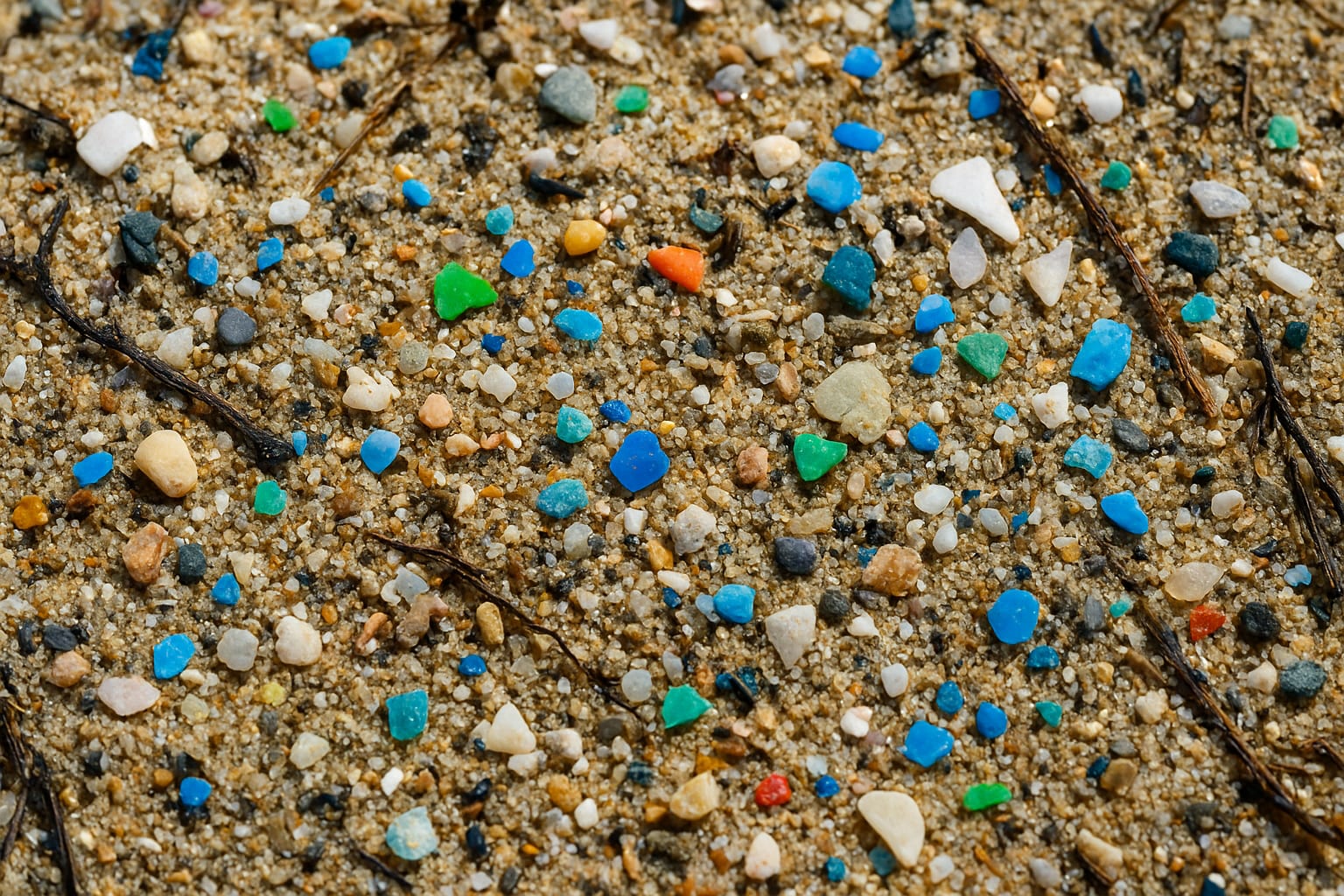
Microplastics are one of the most serious yet least visible environmental challenges of the modern world. These tiny plastic particles, often invisible to the naked eye, have silently entered our soil, water, food, and even the air we breathe. Despite their small size, their impact on ecosystems and human health is enormous.
With rapid industrialization, increased plastic usage, and improper waste management, plastic pollution has grown exponentially over the past few decades. While large plastic waste is easily noticeable, microplastics represent a more dangerous form of pollution because they are difficult to detect, impossible to fully remove, and capable of entering biological systems at every level.
This article provides a comprehensive and structured explanation of microplastics, covering their origin, types, spread, environmental and health impacts, associated diseases, economic losses, and preventive measures. The goal is to spread awareness and promote sustainable action through scientific understanding.
What Are Microplastics?
Microplastics are plastic particles that are typically less than 5 millimeters in size. Due to their extremely small dimensions, they can easily pass through filtration systems, enter natural environments, and be consumed by living organisms.
Unlike biodegradable materials, plastics do not naturally decompose. Instead, they break down into smaller fragments over time due to sunlight, heat, mechanical stress, and chemical reactions. These fragments continue to persist in the environment for hundreds of years.
Microplastics are now found everywhere on Earth — from deep ocean trenches to mountain snow, agricultural soil, drinking water, packaged food, and even inside the human bloodstream.
What makes microplastics especially dangerous is not just their presence, but their ability to absorb toxic chemicals and carry harmful microorganisms into living bodies.
History and Discovery of Microplastics
Plastic production began on a large scale in the mid-20th century. Initially, plastics were considered a revolutionary invention due to their durability, flexibility, and low cost. However, the long-term environmental consequences were largely ignored.
The term "microplastics" was first introduced in 2004 by British marine biologist Richard Thompson. During his research, he observed microscopic plastic fragments accumulating in marine sediments and shorelines.
Since then, scientific studies have revealed that plastic degradation does not eliminate plastic pollution, but instead transforms it into a more invasive and dangerous form. As plastic waste increased globally, microplastic contamination expanded across oceans, rivers, land, and atmospheric systems.
Today, microplastics are recognized as a global environmental issue and are actively studied by scientists, environmental agencies, and health organizations worldwide.
Types of Microplastics
Microplastics are broadly classified into two main categories based on their origin and formation process:
1. Primary Microplastics
Primary microplastics are intentionally manufactured to be small in size. These particles are commonly used in industrial and consumer products due to their abrasive and binding properties.
- Microbeads used in cosmetic products such as face washes and toothpaste
- Industrial plastic pellets used in manufacturing
- Microfibers released from synthetic clothing during washing
- Plastic powders used in cleaning agents and coatings
Although many countries have banned microbeads in cosmetics, large quantities of primary microplastics are still released into the environment through industrial activities and domestic wastewater.
2. Secondary Microplastics
Secondary microplastics are formed when larger plastic items degrade over time. Exposure to sunlight, wind, water currents, and mechanical abrasion causes plastic waste to fragment into microscopic pieces.
- Broken plastic bottles and packaging
- Degraded fishing nets and ropes
- Tyre wear particles from vehicles
- Single-use plastic bags and wrappers
Secondary microplastics account for the majority of plastic particles found in oceans and terrestrial environments. Their continuous formation makes plastic pollution an ongoing and escalating problem.
Why Microplastics Are a Serious Concern
Microplastics pose a unique challenge because they interact with biological systems at a microscopic level. Their small size allows them to be ingested by plankton, insects, fish, birds, animals, and humans.
Once inside living organisms, microplastics can cause physical damage, trigger inflammation, disrupt hormonal systems, and act as carriers for toxic substances such as heavy metals and persistent organic pollutants.
Unlike visible waste, microplastic pollution often goes unnoticed, allowing it to accumulate silently while causing long-term ecological and health damage.
Sources of Microplastics
Microplastics enter the environment from a wide range of natural and human-made sources. Their continuous release makes them one of the most persistent forms of pollution. Unlike traditional waste, microplastics are not confined to landfills or water bodies; they travel freely across ecosystems.
The sources of microplastics can be broadly classified into domestic, industrial, transportation, agricultural, and urban activities.
- Household plastic waste and packaging materials
- Washing of synthetic clothes such as polyester and nylon
- Industrial plastic production and processing units
- Tyre abrasion from vehicles on roads
- Improper disposal of single-use plastics
- Construction and demolition waste
These sources continuously introduce new microplastic particles into the environment, making complete elimination extremely difficult.
Domestic Sources of Microplastics
Everyday household activities contribute significantly to microplastic pollution. Synthetic textiles used in clothing, carpets, and furnishings shed tiny plastic fibers during washing, drying, and daily use.
Studies have shown that a single wash cycle can release thousands of microfibers into wastewater. Most wastewater treatment plants are not designed to fully filter out these microscopic particles, allowing them to flow into rivers and oceans.
- Clothes made from polyester, acrylic, nylon
- Plastic utensils and storage containers
- Cosmetic products containing microbeads
- Cleaning tools such as plastic sponges and scrubbers
Over time, these everyday actions contribute to the widespread accumulation of microplastics in natural ecosystems.
Industrial and Commercial Sources
Industries play a major role in the generation of microplastics, both intentionally and unintentionally. Plastic manufacturing facilities often handle raw plastic pellets, powders, and resins that can spill during transportation or processing.
These plastic particles are small enough to escape containment systems and enter nearby water bodies and soil. Industrial wastewater further accelerates the spread of microplastics when released without adequate filtration.
- Plastic pellet leakage during manufacturing
- Paints, coatings, and synthetic adhesives
- Textile and garment factories
- Packaging and printing industries
Commercial activities such as shipping, fishing, and logistics also contribute through wear and tear of plastic-based equipment.
Microplastics from Transportation Systems
One of the largest and least recognized sources of microplastics comes from transportation systems, particularly road traffic.
Vehicle tyres are made from synthetic rubber and plastic polymers. As vehicles move, friction between tyres and road surfaces releases tiny plastic particles into the air and surrounding environment.
- Tyre wear particles from cars, buses, and trucks
- Plastic components in brake pads
- Road markings and synthetic asphalt materials
These particles eventually settle on soil, water bodies, and urban surfaces, contributing significantly to atmospheric and terrestrial microplastic pollution.
Formation of Microplastics in the Environment
Microplastics are formed through a gradual process of plastic degradation. Contrary to popular belief, plastics do not biodegrade but instead fragment into smaller pieces.
Environmental factors responsible for plastic fragmentation include:
- Ultraviolet radiation from sunlight
- Mechanical abrasion from waves and wind
- Temperature fluctuations
- Chemical reactions with pollutants
This continuous breakdown results in secondary microplastics that persist in the environment for centuries.
Microplastic Cycle in Nature
Once released, microplastics follow a complex cycle across natural systems. They move between air, water, soil, and living organisms, forming a closed loop of contamination.
For example, microplastics present in soil can be washed into rivers through rainwater. Rivers carry these particles to oceans, where they are consumed by marine organisms. When these organisms die or are consumed by humans, microplastics re-enter the food chain.
Atmospheric microplastics can travel long distances and settle on remote areas, including forests, mountains, and agricultural land.
Urban and Rural Spread of Microplastics
Urban areas experience higher concentrations of microplastics due to dense populations, heavy traffic, industrial activity, and waste generation. However, rural regions are not immune to microplastic pollution.
Agricultural practices such as the use of plastic mulch, synthetic fertilizers, and contaminated irrigation water introduce microplastics into rural soil. Over time, these particles affect soil fertility and crop quality.
The widespread movement of microplastics demonstrates that no ecosystem remains isolated from plastic pollution.
Impact of Microplastics on the Environment
Microplastics have become deeply embedded in natural ecosystems, affecting land, water, and air simultaneously. Their persistence and mobility allow them to accumulate over time, gradually altering environmental balance.
Unlike organic pollutants, microplastics do not dissolve or disappear. Instead, they remain active in ecosystems, interacting with living organisms and chemical pollutants.
Environmental damage caused by microplastics is often slow and unnoticed, but its long-term effects are severe and difficult to reverse.
Microplastics in Soil and Terrestrial Ecosystems
Soil acts as a major sink for microplastics. Agricultural land, urban soil, and forest areas accumulate microplastic particles through atmospheric deposition, wastewater irrigation, and plastic-based agricultural materials.
Microplastics alter soil structure by changing porosity, water retention, and microbial activity. This directly affects plant growth and soil fertility.
- Reduced soil aeration and nutrient absorption
- Disruption of beneficial soil microorganisms
- Lower crop productivity
- Increased soil contamination over time
Earthworms and insects ingest microplastics, which interferes with their digestive systems and weakens the natural soil regeneration process.
Impact on Freshwater Systems
Rivers, lakes, and groundwater are major pathways for microplastic transport. Urban runoff, sewage discharge, and industrial waste introduce microplastics into freshwater ecosystems.
Freshwater organisms, including plankton, fish, and amphibians, consume microplastics mistaking them for food. This leads to internal injuries, reduced energy levels, and impaired reproduction.
Contaminated freshwater ultimately flows into oceans, amplifying marine plastic pollution.
Microplastics in Marine Ecosystems
Oceans are the largest reservoirs of microplastics. Due to their low density, many plastic particles float on the surface, while others sink to the ocean floor.
Marine organisms across all trophic levels ingest microplastics. From microscopic plankton to large mammals, no species is immune.
- Blockage of digestive systems
- False sensation of fullness leading to starvation
- Reduced reproductive success
- Behavioral and growth abnormalities
Coral reefs, which support diverse marine life, are particularly vulnerable. Microplastics increase coral stress and susceptibility to disease.
Bioaccumulation and Food Chain Contamination
One of the most alarming aspects of microplastic pollution is bioaccumulation. Small organisms ingest microplastics, which are then consumed by larger predators.
As microplastics move up the food chain, their concentration increases. This process exposes top predators, including humans, to higher levels of plastic contamination.
Microplastics also act as carriers for toxic chemicals and harmful bacteria, amplifying their impact within biological systems.
Human Exposure to Microplastics
Humans are exposed to microplastics through multiple pathways, including food consumption, drinking water, and inhalation.
- Seafood contaminated with microplastics
- Packaged and processed foods
- Drinking water from plastic bottles
- Airborne plastic fibers in indoor environments
Studies have detected microplastics in human blood, lungs, placenta, and digestive systems, highlighting their ability to enter and persist within the human body.
Health Effects of Microplastics on Humans
While research is ongoing, existing evidence suggests that microplastics may contribute to a range of health issues.
Once inside the body, microplastics can trigger inflammatory responses, oxidative stress, and cellular damage.
- Respiratory problems due to inhalation
- Digestive system irritation
- Hormonal imbalance caused by plastic additives
- Potential immune system disruption
Long-term exposure may increase the risk of chronic diseases, although further scientific research is required to fully understand the extent of these risks.
Ecological Losses Caused by Microplastics
Microplastic pollution results in significant ecological losses by disrupting natural processes that maintain ecosystem balance. Unlike visible pollution, these losses occur gradually, making them difficult to detect until damage becomes widespread and irreversible.
Ecosystems depend on healthy soil, clean water, and stable food chains. Microplastics interfere with each of these components, weakening ecosystem resilience and reducing biodiversity.
- Decline in aquatic and terrestrial species populations
- Disruption of nutrient cycles
- Loss of soil fertility and microbial diversity
- Degradation of freshwater and marine habitats
Over time, these ecological losses reduce the ability of ecosystems to recover from natural disasters and climate-related stresses.
Loss of Marine Biodiversity
Marine biodiversity is among the most severely affected by microplastic pollution. Oceans support millions of species that form complex and interconnected food webs.
Microplastics disrupt these food webs by harming organisms at the base, such as plankton and small invertebrates. Since these organisms are essential food sources for larger species, their decline impacts the entire marine ecosystem.
Coral reefs, mangroves, and seagrass beds suffer additional stress due to plastic contamination, leading to habitat loss and reduced species survival.
Human Diseases Linked to Microplastic Exposure
Although scientific research is still evolving, growing evidence suggests that microplastics may contribute to several health disorders. Their small size allows them to penetrate tissues and interact with human cells.
Microplastics often contain harmful additives such as plasticizers, flame retardants, and stabilizers. These chemicals are known to interfere with normal biological functions.
- Respiratory inflammation due to inhaled microfibers
- Digestive tract irritation and gut imbalance
- Hormonal disorders caused by endocrine-disrupting chemicals
- Potential neurological and metabolic effects
Continuous exposure, even at low levels, may increase the risk of chronic diseases over long periods.
Impact on Children and Vulnerable Populations
Children, pregnant women, and elderly individuals are more vulnerable to the effects of microplastics due to their developing or weakened immune systems.
Studies have detected microplastics in the placenta, raising concerns about exposure during early stages of human development. This exposure may affect organ development and long-term health outcomes.
Indoor environments, where people spend most of their time, contain high levels of airborne microplastic fibers released from furniture, textiles, and household items.
Economic Losses Due to Microplastic Pollution
Microplastic pollution also results in significant economic losses across various sectors. These losses affect both developed and developing economies.
Industries that depend on clean environments, such as fisheries, tourism, and agriculture, suffer direct financial damage.
- Reduced fish stocks and seafood safety concerns
- Decline in coastal tourism and recreational activities
- Increased healthcare costs
- Soil productivity loss in agriculture
Governments are forced to spend large amounts on waste management, environmental cleanup, and public health initiatives.
Impact on Food Security and Agriculture
Microplastics present a growing threat to global food security. Agricultural soils contaminated with plastic particles show reduced fertility and altered nutrient cycles.
Crops grown in polluted soil may absorb microplastics through root systems, introducing plastics into the human food supply.
Livestock consuming contaminated feed and water further transfer microplastics into dairy and meat products.
Long-Term Environmental Risks
The long-term risks of microplastics extend far beyond immediate health and economic concerns. As plastic production continues to rise, microplastic accumulation is expected to increase dramatically.
Future generations may inherit ecosystems that are permanently altered by plastic contamination, with unknown consequences for life on Earth.
Without intervention, microplastics could undermine global sustainability efforts and worsen the impacts of climate change.
Why Prevention of Microplastic Pollution Is Essential
Preventing microplastic pollution is far more effective than attempting to remove it after it has entered the environment. Once microplastics spread across ecosystems, complete removal becomes nearly impossible due to their size and persistence.
Prevention focuses on reducing plastic production, limiting unnecessary use, improving waste management systems, and encouraging sustainable alternatives. These actions can significantly reduce the long-term environmental and health risks.
Individual-Level Actions to Reduce Microplastics
Individuals play a crucial role in reducing microplastic pollution through daily choices and responsible consumption habits. Small changes at the household level can collectively create a significant impact.
- Reducing the use of single-use plastics
- Choosing natural fiber clothing over synthetic fabrics
- Using reusable water bottles and containers
- Avoiding personal care products containing microbeads
- Proper segregation and disposal of waste
Awareness and education are key to motivating individuals to adopt sustainable lifestyles that reduce plastic dependency.
Industrial Responsibility and Technological Solutions
Industries are among the largest contributors to plastic and microplastic pollution. Responsible manufacturing practices and technological innovation are essential for reducing environmental impact.
Several technological solutions are being developed to address microplastic release at its source.
- Advanced wastewater treatment filtration systems
- Eco-design of products to reduce plastic shedding
- Development of biodegradable and bio-based materials
- Closed-loop recycling systems
Corporate accountability and transparent supply chains can further support sustainable production practices.
Role of Governments and Policy Frameworks
Government intervention is essential for addressing microplastic pollution on a national and global scale. Policies and regulations can control plastic production, usage, and disposal.
Many countries have introduced bans and restrictions on specific plastic products, particularly microbeads in cosmetics and single-use plastic items.
- Plastic bans and usage limits
- Extended producer responsibility programs
- Investment in waste management infrastructure
- Public awareness and educational campaigns
International cooperation is also required, as microplastic pollution does not respect geographical boundaries.
Global Initiatives and Environmental Agreements
Several international organizations and environmental agreements aim to reduce plastic and microplastic pollution worldwide.
Global frameworks encourage countries to adopt sustainable plastic management strategies, promote research, and share technological advancements.
Collective global action is essential to prevent further degradation of oceans, freshwater systems, and terrestrial ecosystems.
Future Scope of Research and Innovation
The study of microplastics is an evolving field, with many unanswered questions regarding long-term health effects and environmental behavior.
Future research will focus on understanding how microplastics interact with biological systems, developing safer materials, and improving detection methods.
Innovation in sustainable materials and circular economy models offers hope for reducing plastic dependence while supporting economic growth.
Conclusion: Addressing the Microplastic Crisis
Microplastics represent a hidden but profound threat to the environment, human health, and global sustainability. Their widespread presence highlights the urgent need to rethink how plastics are produced, used, and managed.
Addressing this crisis requires collective effort from individuals, industries, governments, and global institutions. Through informed decisions, responsible policies, and scientific innovation, it is possible to reduce microplastic pollution and protect future generations.
Sustainable development and environmental protection must go hand in hand. The choices made today will determine the health of ecosystems and societies for decades to come.






Discussion
0 comments
No comments yet. Be the first to share your thoughts!