
Silence is not always peace. Sometimes, silence is fear. Sometimes, it is habit. And sometimes, silence is slow self-destruction. This article is not written to accuse anyone. It is written to make people think — to ask a simple but uncomfortable question: how long will we remain silent?
Most people do not become silent by choice. Silence is trained into us from childhood. It starts inside our homes. As children, we are often told not to question elders, not to argue, not to express disagreement. Obedience is praised, curiosity is discouraged, and opinions are seen as disrespect.
Slowly, we learn that staying quiet is safer than speaking up. We learn that silence avoids conflict. We learn that silence keeps us accepted. And unknowingly, we carry this habit with us for the rest of our lives.
Then comes school. A place meant to encourage learning often becomes a place where fear grows stronger. Students hesitate to ask questions. Not because they are lazy, but because they are afraid. Afraid of being laughed at. Afraid of being judged. Afraid of hearing, “What a stupid question.”
This fear creates a dangerous mindset — “What will people think?” This single thought is one of the most harmful diseases of the human mind. It kills confidence, curiosity, and courage. Over time, it stops people from thinking independently.
By the time a person reaches adulthood, silence has already become a habit. Speaking up feels risky. Questioning authority feels dangerous. And accepting injustice feels normal.
The Silent Race: Education, Jobs, and Blind Obedience
As we grow older, we enter a race that millions are already running. High school, intermediate exams, competitive tests, college admissions, coaching institutes, and finally jobs. Everyone is running, but very few know why.
During this entire journey, how many times do we question the system? How many times do we raise our voice against unfair practices, outdated education, or exploitation? The truth is — almost never.
In schools, we rarely question teachers. In colleges, we ignore broken systems. In coaching institutes, we clearly see exploitation, false promises, and mental pressure. We know something is wrong. We feel it. Yet we remain silent.
Silence at this stage is especially dangerous. Because this is where habits turn into lifelong behavior. A person who never questions injustice during education will struggle to question it later in life.
Once we enter jobs, silence becomes survival. Employees tolerate exploitation because they fear losing income. They tolerate unfair managers because they fear unemployment. Slowly, dignity is exchanged for comfort.
This is how a silent society is created — not by force, but by fear. And when silence becomes normal, injustice becomes powerful.
Power, Corruption, and the Cost of Staying Quiet
In today’s corrupt world, power and money often decide what is right and what is wrong. Those who have a little authority constantly look for ways to benefit from those below them. Fear is their strongest weapon.
They create fear to control. They spread insecurity to dominate. And silence allows them to succeed. When people do not resist, corruption grows freely.
Look around. Natural resources are being destroyed everywhere. The Aravali hills are disappearing, just like many other hill ranges and forest regions across different states that are being cut, mined, or encroached upon in the name of development. Cities are expanding without balance, and the cost is paid by nature.
Air pollution is no longer limited to one region. Many cities across the country are slowly turning into gas chambers due to unchecked construction, industrial emissions, and rising traffic. Rivers like the Yamuna, Ganga, Sabarmati, and several local rivers have either become heavily polluted, dried up, or reduced to drainage channels.
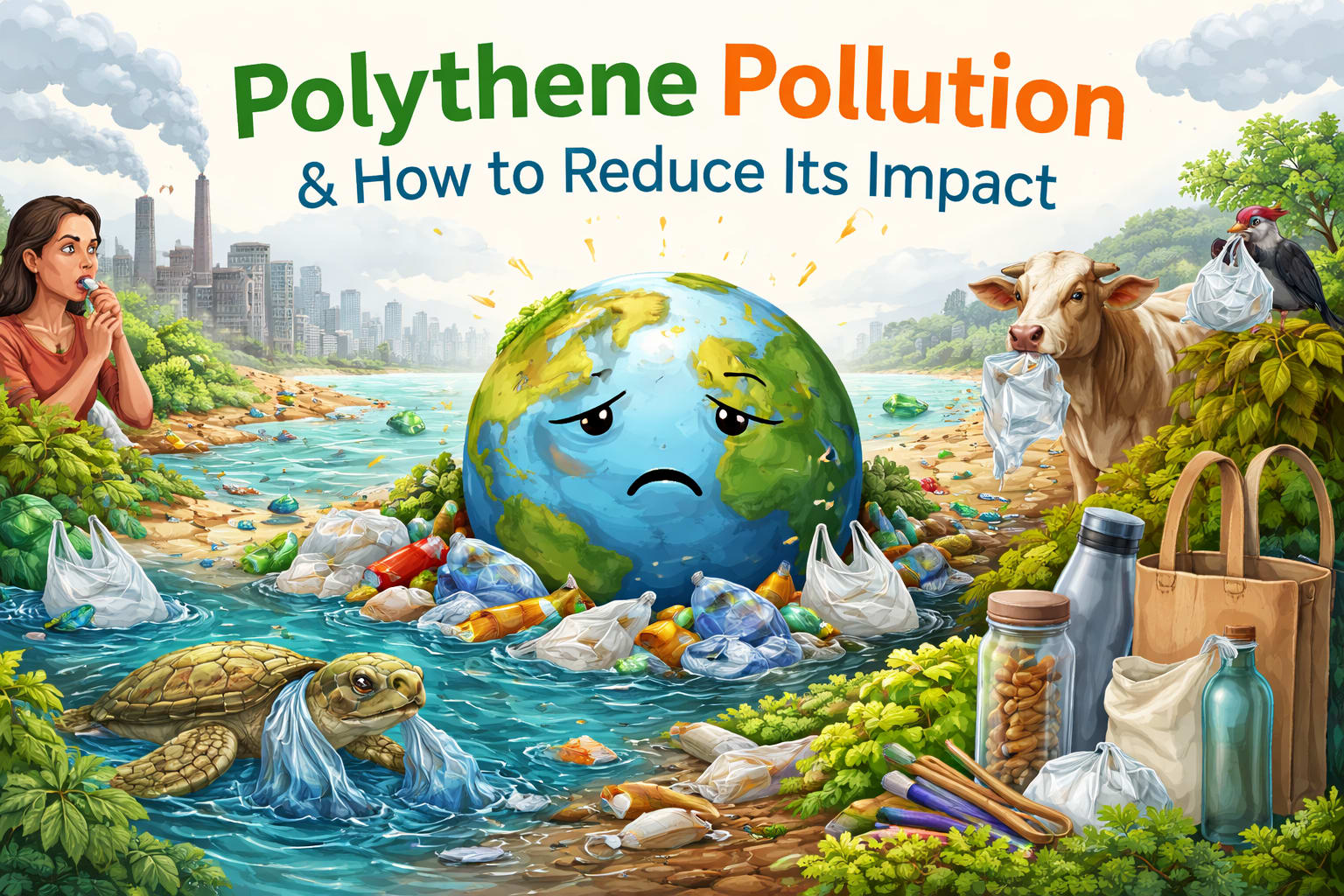
Factories release toxic waste, garbage flows into water bodies, and plastic waste is visible everywhere. In many places, people are aware of these issues, yet collective action remains limited. Complaints are often made privately, while public silence allows harmful practices to continue.
When irresponsible or unprepared individuals gain positions of power, governance often turns into personal benefit. Over time, influence spreads across systems — administration, business, security, and even institutions meant to protect justice. Silence from society makes this spread easier and harder to challenge.
A small number of people rule over millions, not because they are stronger, but because the majority tolerates them. Silence gives them authority.
Breaking the Silence: Responsibility Begins With You
Change does not start with governments. It starts with individuals. The first step is awareness. Do not ignore what you see around you. Do not accept poison knowingly.
Harmful plastics, polluted food, toxic environments — these are not abstract problems. They affect our health, our children, and our future. If the system does not change, at least personal responsibility must.
Being educated means more than having a degree. It means knowing what is wrong and choosing not to participate in it. Knowing and still doing wrong is worse than ignorance.
When you burn your own house, you cannot escape the fire. When society destroys itself, everyone suffers — rich or poor.
Raise your voice, but raise it responsibly. Question unfairness through lawful and democratic means. Every citizen has the right to express concerns, seek information, and demand accountability. Speaking up for justice is not rebellion — it is a fundamental right protected by law.
Trust in the legal and judicial systems, because they exist to hear grievances and correct wrongs. Courts, institutions, and legal processes may take time, but they are built on the principle of fairness. Change does not always happen instantly, but it begins when people choose awareness over silence.
You do not need power or position to begin change. Courage, patience, and consistency are enough. When voices rise together — peacefully and truthfully — society listens, systems respond, and people evolve.
Do not wait for your turn in silence. Awareness creates courage, courage leads to action, and action slowly builds justice. Change is possible, and it begins with you.






Discussion
0 comments
No comments yet. Be the first to share your thoughts!