Published on: 2026 | Category: Environment, Climate Change, India
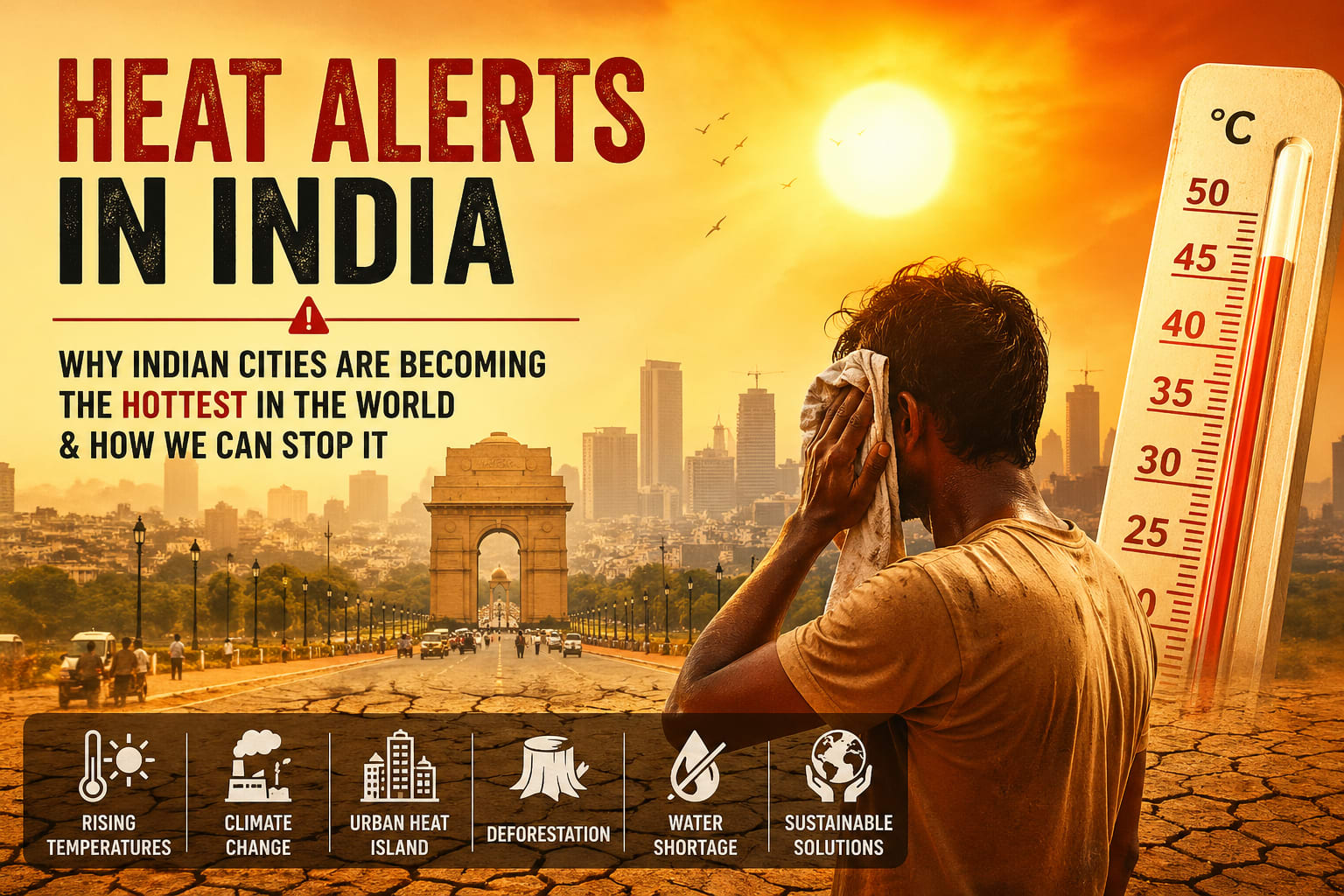
In recent years, India has been witnessing an alarming rise in extreme heat conditions. Several cities across the country are frequently appearing on the list of the hottest places in the world. Heat alerts have become more common, longer in duration, and more dangerous for human life. From Delhi to Rajasthan, from central India to southern regions, the intensity of heatwaves is increasing rapidly.
This blog explores why India is experiencing such extreme temperatures, what are the main reasons behind it, why cities are heating faster than rural areas, and most importantly — what can be done to reduce this crisis. The goal is to explain everything in simple language so everyone can understand the seriousness of the situation.
Table of Contents
- 1. What Are Heat Alerts?
- 2. Why India Is Becoming One of the Hottest Regions
- 3. Hottest Cities in India Right Now
- 4. Indian Cities in Global Heat Rankings
- 5. Role of Climate Change
- 6. Impact of Urbanization
- 7. Deforestation and Environmental Damage
- 8. What Will Happen in the Future?
- 9. How Can We Stop This?
1. What Are Heat Alerts?
Heat alerts are official warnings issued by meteorological departments when temperatures rise above safe levels. In India, the India Meteorological Department (IMD) classifies heatwaves based on temperature thresholds. When temperatures cross certain limits, alerts such as Yellow, Orange, or Red are issued.
These alerts are meant to inform people about the risk of extreme heat and help them take precautions. A Red Alert usually indicates severe conditions where heat can become life-threatening, especially for children, elderly people, and outdoor workers.
Over the past decade, the frequency of these alerts has increased significantly, showing that heatwaves are no longer rare events — they are becoming a regular part of Indian summers.
2. Why India Is Becoming One of the Hottest Regions
India’s geographical location plays a major role in its climate. Being close to the tropics, the country naturally experiences high temperatures during summer. However, recent changes have pushed these temperatures to extreme levels.
The combination of rising global temperatures, changing weather patterns, and human activities has made India more vulnerable to heatwaves. Unlike earlier times when extreme heat lasted for a few days, now it continues for weeks.
Another important factor is humidity. In many regions, high humidity combined with heat creates a dangerous condition called "wet-bulb temperature," which makes it difficult for the human body to cool itself.
3. Hottest Cities in India Right Now
Several cities in India are repeatedly recording extremely high temperatures. Some of the hottest regions include:
- Delhi – Frequent heatwaves crossing 45°C
- Jaipur – Dry heat with extreme daytime temperatures
- Nagpur – Known as one of the hottest cities in central India
- Ahmedabad – High heat combined with urban effects
- Churu (Rajasthan) – Often records temperatures above 48°C
- Prayagraj – Extreme summer heat with humidity
These cities are not only hot compared to Indian standards but are also competing globally in terms of extreme temperatures.
4. Indian Cities in Global Heat Rankings
Every year, global weather reports highlight the hottest places on Earth. Increasingly, Indian cities are appearing in these lists. Cities like Delhi, Churu, and parts of Rajasthan frequently rank among the hottest places in the world during peak summer.
This trend indicates that the problem is not just local — it is connected to global climate patterns. However, the impact in India is more intense due to population density and infrastructure challenges.
When a city becomes one of the hottest in the world, it affects not only health but also economy, agriculture, water supply, and daily life.
5. Role of Climate Change
Climate change is one of the biggest reasons behind rising temperatures. The increase in greenhouse gases like carbon dioxide and methane is trapping heat in the Earth's atmosphere. This process is known as the greenhouse effect.
Due to this, global temperatures are rising, and heatwaves are becoming more intense and frequent. India, being a developing country with rapid industrial growth, is both contributing to and suffering from climate change.
Another impact of climate change is the disruption of natural weather cycles. Monsoons are becoming unpredictable, winters are getting shorter, and summers are becoming longer and hotter.
6. Impact of Urbanization (Urban Heat Island Effect)
One of the biggest reasons why cities are becoming hotter than surrounding rural areas is the Urban Heat Island (UHI) effect. This happens when urban areas trap heat due to human activities and infrastructure.
In cities, natural surfaces like soil and vegetation are replaced with concrete, asphalt, and buildings. These materials absorb heat during the day and release it slowly at night, making cities warmer even after sunset.
Another factor is the lack of green spaces. Trees and plants help cool the environment through shade and a process called evapotranspiration. When cities cut down trees to build roads, malls, and buildings, they lose this natural cooling system.
Additionally, heat generated by vehicles, air conditioners, factories, and human activities adds to the temperature. This makes urban areas significantly hotter than nearby villages.
Cities like Delhi, Mumbai, and Ahmedabad are clear examples where urban heat is becoming a serious issue due to rapid development and population growth.
7. Deforestation and Environmental Damage
Forests play a critical role in regulating Earth's temperature. Trees absorb carbon dioxide, provide shade, and release moisture into the air. However, large-scale deforestation across India has reduced these natural benefits.
Trees act like natural air conditioners. When forests are cut down for construction, mining, or agriculture, the land becomes dry and exposed to direct sunlight, which increases surface temperatures.
In many parts of India, forests are being cleared at a rapid rate. This not only contributes to rising temperatures but also affects rainfall patterns. Less greenery means less moisture in the air, leading to weaker monsoons.
The loss of biodiversity is another major concern. Animals, birds, and plants that help maintain ecological balance are disappearing, making the environment more unstable and vulnerable to extreme weather conditions.
8. Pollution and Its Contribution to Heat
Pollution is another major factor that contributes to rising temperatures. Air pollution, especially in cities, traps heat in the atmosphere. Pollutants like carbon dioxide, methane, and black carbon act like a blanket, preventing heat from escaping.
Industrial emissions, vehicle exhaust, and construction activities release large amounts of harmful gases into the air. These gases not only harm human health but also contribute to global warming.
In cities like Delhi, air pollution levels are extremely high. During summer, this polluted air combines with heat, creating very uncomfortable and dangerous living conditions.
Another lesser-known factor is dust pollution. Construction work and dry soil increase dust in the air, which absorbs heat and raises local temperatures.
9. Water Crisis and Its Link to Heatwaves
Heatwaves and water scarcity are closely connected. As temperatures rise, water evaporates faster from rivers, lakes, and reservoirs. This reduces water availability, especially in already dry regions.
Groundwater levels are also falling rapidly due to overuse. In many cities, water demand exceeds supply, leading to shortages during peak summer months.
Lack of water makes heatwaves even more dangerous. People need water to stay hydrated and cool their bodies. Without sufficient water, the risk of heatstroke and dehydration increases significantly.
Agriculture is also affected. Crops require water to survive, and extreme heat combined with water shortage can lead to crop failure, affecting food supply and farmer livelihoods.
10. Health Impacts of Extreme Heat
Extreme heat is not just uncomfortable — it can be deadly. Heatwaves have serious health impacts, especially on vulnerable populations like children, elderly people, and outdoor workers.
One of the most common problems is heatstroke, which occurs when the body is unable to regulate its temperature. Symptoms include dizziness, headache, confusion, and even loss of consciousness.
Dehydration is another major issue. When the body loses too much water through sweating, it can lead to weakness, fatigue, and serious health complications.
People with pre-existing conditions such as heart disease, respiratory problems, or diabetes are at higher risk during extreme heat conditions.
In addition to physical health, extreme heat also affects mental well-being. High temperatures can cause stress, irritability, and reduced productivity.
According to various reports, thousands of people in India are affected by heatwaves every year, and the numbers are increasing as temperatures continue to rise.
11. What Will Happen in the Future?
If current trends continue, India is likely to experience even more extreme heatwaves in the coming years. Scientists and climate experts warn that temperatures may rise further, and the duration of heatwaves may increase significantly.
Summers may start earlier and end later, reducing the duration of cooler seasons. This means people will have to deal with heat for a longer period every year.
One of the biggest concerns is that some regions may reach temperatures that are dangerous for human survival. In extreme cases, the combination of heat and humidity could make it nearly impossible for the human body to cool itself.
Cities will face more pressure due to population growth. More buildings, vehicles, and energy consumption will increase heat levels unless proper planning is implemented.
The impact will not be limited to health. Agriculture, water supply, electricity demand, and overall economy will also be affected. Power cuts may become more frequent due to high electricity demand for cooling systems like air conditioners.
12. Government Actions and Policies
The Indian government has started taking steps to address the issue of extreme heat. One of the most important initiatives is the Heat Action Plan (HAP), which is implemented in several cities.
Heat Action Plans include early warning systems, public awareness campaigns, and emergency response strategies. These plans help reduce the impact of heatwaves by informing people in advance.
The government is also promoting afforestation programs to increase green cover. Planting trees is one of the most effective ways to reduce heat in both urban and rural areas.
Policies related to renewable energy are also important. By reducing dependence on fossil fuels, India can lower greenhouse gas emissions and slow down climate change.
However, implementation remains a challenge. While policies exist, their success depends on proper execution, public participation, and long-term commitment.
13. Smart City Planning and Infrastructure Solutions
One of the most effective ways to reduce heat in cities is through smart urban planning. Cities need to be designed in a way that minimizes heat absorption and maximizes natural cooling.
Cool roofs are a simple but powerful solution. By using reflective materials or white paint on rooftops, buildings can reflect sunlight instead of absorbing heat.
Green buildings are another important concept. These buildings are designed to use less energy and maintain cooler temperatures naturally through better ventilation and materials.
Increasing green spaces such as parks, gardens, and roadside trees can significantly reduce temperatures. Even small green areas can have a noticeable cooling effect.
Proper road design is also important. Using heat-resistant materials and reducing unnecessary concrete surfaces can help lower heat absorption.
Water bodies like lakes and ponds should be protected and restored. They help cool the surrounding environment and maintain ecological balance.
14. Role of Technology in Tackling Heatwaves
Technology can play a major role in managing and reducing the impact of heatwaves. Weather forecasting systems have improved significantly and can now predict heatwaves in advance.
Mobile apps and alert systems can notify people about upcoming heat conditions, allowing them to take precautions.
Artificial Intelligence (AI) and data analysis can help identify heat-prone areas and suggest targeted solutions. For example, authorities can focus on planting trees or improving infrastructure in high-risk zones.
Smart sensors can monitor temperature, humidity, and air quality in real-time. This data can be used to improve city planning and emergency response.
Energy-efficient technologies such as solar power and advanced cooling systems can reduce the environmental impact while keeping people comfortable.
Digital awareness campaigns through social media and websites can educate people about heat safety and environmental responsibility.
15. How Can We Stop or Reduce Extreme Heat in India?
While the problem of rising temperatures is serious, it is not impossible to manage. Both government and individuals can take steps to reduce the impact of extreme heat. The key is awareness, responsibility, and consistent action.
One of the most effective solutions is increasing green cover. Planting trees in cities, along roads, and around buildings can significantly reduce temperatures. Trees provide shade and naturally cool the environment.
Another important step is using sustainable construction methods. Buildings should be designed to stay cool naturally, reducing the need for air conditioning. This not only saves energy but also reduces heat generation.
Water conservation is equally important. Rainwater harvesting, proper water management, and reducing wastage can help maintain water availability during extreme heat.
Reducing pollution is also crucial. Using public transport, electric vehicles, and renewable energy sources can help lower greenhouse gas emissions.
Public awareness campaigns should educate people about heat safety, environmental protection, and sustainable living practices.
16. What Can Individuals Do in Daily Life?
Every individual can contribute to reducing the impact of heatwaves. Small daily actions can make a big difference when followed by many people.
- Plant trees and take care of existing plants
- Avoid unnecessary use of vehicles
- Use energy-efficient appliances
- Switch to LED lights and solar energy if possible
- Save water and avoid wastage
- Stay indoors during peak heat hours
- Drink plenty of water and stay hydrated
Simple habits like wearing light-colored clothes, using fans instead of air conditioners when possible, and avoiding outdoor work during extreme heat can help protect health.
17. Community and Society Level Actions
Communities can work together to create a cooler and safer environment. Local groups can organize tree plantation drives, awareness campaigns, and water-saving initiatives.
Schools, colleges, and offices can educate people about climate change and heat safety. Public places should have shaded areas, drinking water facilities, and cooling centers during extreme heat.
Local authorities can also play a role by maintaining parks, protecting water bodies, and ensuring proper urban planning.
18. Conclusion
Heat alerts in India are no longer just warnings — they are a sign of a deeper environmental crisis. The increasing number of Indian cities among the hottest in the world is a clear indication that urgent action is needed.
The reasons behind this problem are both natural and human-made. Climate change, urbanization, deforestation, and pollution are all contributing to rising temperatures.
However, there is still hope. With proper planning, responsible behavior, and collective efforts, it is possible to reduce the impact of extreme heat. Governments, communities, and individuals all have a role to play.
The future depends on the actions we take today. By making sustainable choices and protecting our environment, we can create a safer and cooler India for the next generations.
19. Frequently Asked Questions (FAQs)
Q1. Why are Indian cities becoming hotter every year?
Indian cities are becoming hotter due to climate change, urbanization, deforestation, and pollution. These factors increase heat absorption and reduce natural cooling.
Q2. What is a heatwave?
A heatwave is a period of extremely high temperatures that lasts for several days and can be dangerous for human health.
Q3. Which are the hottest cities in India?
Cities like Delhi, Churu, Nagpur, Jaipur, and Ahmedabad are among the hottest regions in India during summer.
Q4. How can we protect ourselves from extreme heat?
Stay hydrated, avoid direct sunlight during peak hours, wear light clothes, and follow heat alerts issued by authorities.
Q5. Can this problem be solved?
Yes, with proper policies, sustainable development, reduced pollution, and increased awareness, the impact of extreme heat can be reduced.








Discussion
0 comments
No comments yet. Be the first to share your thoughts!