
Global Conflicts Over Petrol, Oil, and Food: Countries Involved, Causes, and Latest War Headlines (2026)
In today’s world, wars are no longer fought only for land or power. A large number of conflicts are directly or indirectly linked to essential resources such as petrol, fuel, oil, and food. These resources are the backbone of modern economies, and shortages or control over them often lead to global tensions, conflicts, and even wars.
In this detailed blog, we will explore how many countries are currently involved in such conflicts, what resources are driving these wars, and the latest global news headlines connected to them.
Table of Contents
Introduction to Resource Wars
Resource wars are conflicts driven by the need to control valuable natural resources such as oil, gas, water, and food supplies. In the modern era, petrol and oil are among the most critical resources because they power transportation, industries, and entire economies.
Similarly, food has become a strategic resource. Countries facing shortages often experience internal unrest, which can escalate into regional or global conflicts. Climate change, population growth, and economic inequality are making these issues even more serious.
Today, more than 25+ countries are directly or indirectly affected by wars or tensions related to fuel, oil, and food supply chains.
Why Petrol, Oil, and Food Cause Wars
There are several reasons why these resources become the center of global conflicts:
- Economic Dependence: Countries rely heavily on oil for energy and transportation.
- Limited Supply: Oil and food are not evenly distributed across the world.
- Strategic Control: Controlling oil routes or farmland gives political power.
- Rising Demand: Increasing population means higher consumption.
- Climate Change: Droughts and disasters reduce food production.
When countries compete for these resources, tensions rise, leading to conflicts, sanctions, and wars.
List of Countries Involved in Resource Conflicts
Below is a list of major countries currently involved in conflicts related to oil, petrol, and food:
| Country | Conflict Type | Main Resource Issue |
|---|---|---|
| Russia | War | Oil, Gas, Food exports |
| Ukraine | War | Food (Grain supply) |
| Israel | Conflict | Energy & regional control |
| Palestine | Conflict | Food & humanitarian crisis |
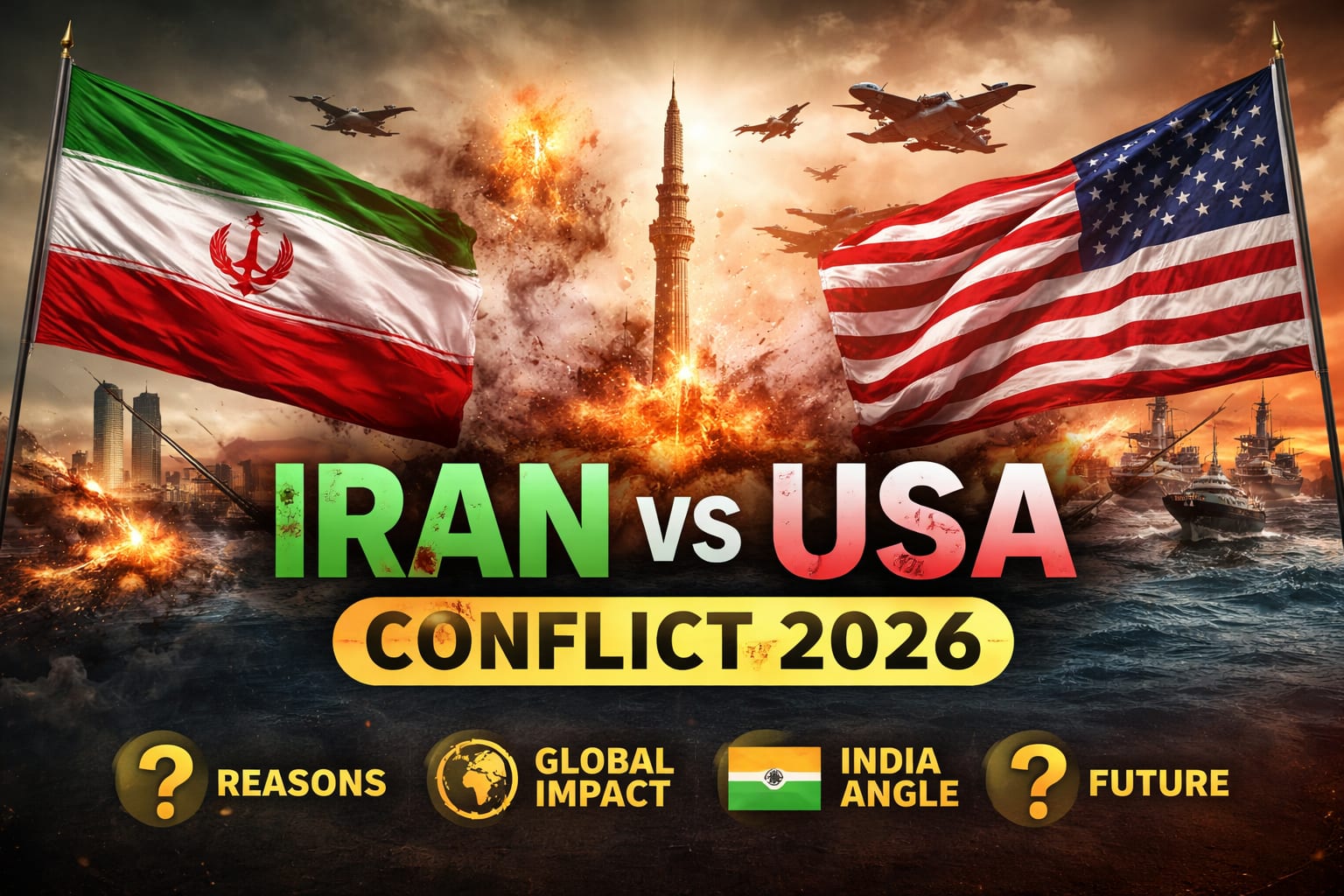
| Iran | Tension | Oil exports & sanctions |
| USA | Global involvement | Oil control & trade routes |
| Saudi Arabia | Regional tension | Oil production |
| Yemen | War | Food crisis |
| China | Tension | Energy supply chains |
| African Nations | Multiple conflicts | Food shortages & resources |
These are only major examples. Many smaller countries are also affected indirectly due to rising prices and disrupted supply chains.
Oil and Petrol Wars Explained
Oil has been a major cause of wars for decades. Countries with large oil reserves often become targets of geopolitical interest.
For example, conflicts in the Middle East are heavily linked to oil production and control. Oil-rich regions attract global powers because controlling oil means controlling the global economy.
Even indirect conflicts, such as sanctions or trade wars, often revolve around limiting oil exports or controlling prices.
Food Shortage Conflicts
Food insecurity is becoming a major reason for conflict, especially in developing countries. When people do not have enough food, internal unrest increases, leading to protests, riots, and sometimes civil wars.
The Russia-Ukraine war has significantly affected global wheat supply, causing food shortages in many countries.
Similarly, droughts in African nations have led to conflicts over farmland and water resources.
Latest War News Headlines (2025–2026)
- “Global Oil Prices Surge Due to Rising Middle East Tensions”
- “Food Crisis Deepens as Grain Supply Chains Collapse”
- “Energy Wars Intensify Between Major Global Powers”
- “Fuel Shortage Sparks Protests in Multiple Countries”
- “Climate Change Worsens Global Food Conflicts”
These headlines highlight how deeply interconnected wars and resources have become.
Global Impact of These Wars
The impact of these conflicts is not limited to the countries directly involved. It affects the entire world in several ways:
- Rising petrol and diesel prices
- Food inflation
- Supply chain disruptions
- Economic slowdown
- Increased poverty and unemployment
As globalization increases, no country remains unaffected by these conflicts.
Major Global Wars and Resource Conflicts Explained
In this section, we will take a deeper look at the most important ongoing wars and tensions around the world that are directly or indirectly connected to petrol, oil, fuel, and food resources. These conflicts are shaping global economies and affecting billions of people.
Russia vs Ukraine War (Oil, Gas, and Food Crisis)
The Russia-Ukraine war is one of the most significant conflicts impacting global resources. Russia is one of the largest exporters of oil and natural gas, while Ukraine is known as a major exporter of wheat and agricultural products.
Due to the war, supply chains have been disrupted. Many countries that depend on Ukrainian grain are facing food shortages, while sanctions on Russia have affected global oil prices.
- Oil prices increased globally
- Gas supply disruptions in Europe
- Food crisis in developing nations
This war clearly shows how a single conflict can impact both energy and food security worldwide.
Middle East Conflicts (Oil Dominance and Political Power)
The Middle East has always been a hotspot for oil-related conflicts. Countries like Saudi Arabia, Iran, Iraq, and others hold some of the largest oil reserves in the world.
Tensions in this region are often linked to control over oil production and export routes. Conflicts also involve political and religious factors, making them more complex.
- Oil production control
- Trade route security
- Global oil pricing influence
Any instability in this region directly impacts petrol prices worldwide.
Israel–Palestine Conflict (Energy and Humanitarian Crisis)
The Israel–Palestine conflict is one of the longest-running conflicts in the world. While it is mainly political and territorial, it also has resource-related aspects, including access to water, energy, and food supplies.
Blockades and restrictions often lead to food shortages and humanitarian crises in affected areas.
- Limited access to food and water
- Energy shortages
- Dependence on external aid
Yemen Crisis (Severe Food and Fuel Shortage)
Yemen is facing one of the worst humanitarian crises in the world. The ongoing war has destroyed infrastructure and disrupted food supply chains.
Millions of people are facing hunger due to lack of food and fuel. The situation is worsened by limited imports and economic instability.
- Massive food insecurity
- Fuel shortages
- Dependence on humanitarian aid
African Conflicts (Food, Water, and Resource Wars)
Many African countries are facing conflicts due to lack of food, water, and natural resources. Climate change has worsened the situation by causing droughts and reducing agricultural production.
In several regions, communities are fighting over farmland, water sources, and food supplies.
- Conflicts over farmland
- Water shortages
- Food crises due to drought
USA vs China Tensions (Energy and Trade War)
While not a direct war, tensions between the USA and China have a major impact on global energy and supply chains. Both countries are competing for dominance in energy resources and global trade.
Trade restrictions and political tensions affect oil imports, exports, and global pricing systems.
- Energy supply competition
- Trade wars affecting fuel markets
- Global economic impact
How Many Countries Are Affected?
If we look at direct and indirect involvement, more than 25 to 40 countries are currently affected by resource-related conflicts. These include:
- Direct war zones (10+ countries)
- Countries under economic sanctions (10+)
- Countries facing food or fuel shortages (20+)
Even countries not involved in wars are facing rising fuel prices and food inflation due to global supply disruptions.
Economic Impact of Resource Wars
Resource wars have a massive impact on the global economy. Petrol and food prices rise sharply during conflicts, affecting both developed and developing nations.
Businesses face higher transportation costs, while consumers pay more for basic necessities.
- Inflation increases worldwide
- Fuel prices become unstable
- Food becomes expensive
- Global trade slows down
These economic effects make resource wars one of the biggest global challenges today.
Detailed Country-Wise Breakdown of Resource Conflicts
In this section, we will go deeper into specific countries and understand how petrol, oil, fuel, and food are directly influencing conflicts, tensions, and economic instability. This detailed breakdown helps in understanding the global picture more clearly.
Russia
Russia is one of the largest exporters of oil and natural gas in the world. Due to ongoing conflicts and sanctions, its exports have been restricted, causing fluctuations in global fuel prices.
- Major oil and gas supplier
- Sanctions affecting global markets
- Energy weaponization in geopolitics
Ukraine
Ukraine plays a critical role in global food supply, especially wheat, corn, and sunflower oil. War has severely impacted agricultural production and exports.
- Global grain supply disruption
- Export route blockages
- Food crisis in dependent countries
Iran
Iran holds massive oil reserves but faces strict international sanctions. This limits its ability to export oil freely, affecting global supply and pricing.
- Restricted oil exports
- Political tensions with Western nations
- Impact on global oil availability
Saudi Arabia
Saudi Arabia is one of the most powerful players in the global oil market. Its decisions on oil production directly influence global petrol prices.
- Controls oil supply levels
- Influences OPEC decisions
- Key player in energy diplomacy
United States
The USA is both a major producer and consumer of oil. It is actively involved in global conflicts to secure energy routes and maintain economic dominance.
- Global military presence
- Energy security strategies
- Influence over global trade systems
China
China is heavily dependent on imported energy resources. It is investing in global infrastructure and partnerships to secure fuel and food supplies.
- High energy demand
- Strategic global investments
- Supply chain control efforts
African Nations
Many African countries are struggling with food insecurity due to droughts, climate change, and internal conflicts. These issues often lead to violence and instability.
- Severe food shortages
- Water and land conflicts
- Dependence on imports
Hidden and Indirect Resource Conflicts
Not all conflicts are openly declared as wars. Many tensions exist behind the scenes, affecting global supply chains and economies without direct military action.
These hidden conflicts include trade wars, economic sanctions, cyber attacks, and political pressure tactics.
- Trade restrictions on oil exports
- Sanctions affecting food imports
- Cyber attacks on energy infrastructure
- Political control over supply routes
These indirect conflicts are equally dangerous because they silently disrupt global stability.
Global Statistics and Data Overview
Let’s look at some important statistics related to resource conflicts:
| Category | Estimated Impact |
|---|---|
| Countries affected by resource conflicts | 25–40+ |
| People facing food insecurity | 800+ million |
| Global oil price increase (recent years) | 20%–60% |
| Countries dependent on imported fuel | 70%+ |
These numbers highlight how serious the situation has become and why global cooperation is necessary.
Supply Chain Disruptions Due to War
Wars significantly affect global supply chains. Transport routes are blocked, exports are restricted, and prices rise sharply.
For example, shipping routes in conflict zones become unsafe, leading to delays and increased transportation costs.
- Delayed shipments
- Higher transportation costs
- Limited availability of goods
- Increased global inflation
Supply chain disruptions are one of the biggest reasons why even peaceful countries suffer from distant wars.
Impact on Common People
The biggest victims of resource wars are ordinary people. Rising fuel prices and food shortages directly affect daily life.
Families struggle with higher living costs, and in extreme cases, people face hunger and poverty.
- Expensive petrol and diesel
- Increased food prices
- Job losses due to economic slowdown
- Reduced quality of life
This shows that resource conflicts are not just political issues—they are human issues affecting millions of lives.
Future Predictions: Resource Wars from 2026 to 2030
Looking ahead, the chances of conflicts over petrol, oil, fuel, and food are expected to increase if global conditions remain unchanged. Rising population, climate change, and economic competition will continue to put pressure on limited resources.
Experts predict that future wars may not always be fought with weapons but through economic control, cyber attacks, and resource blockades.
- Increase in energy-based conflicts
- More food-related crises due to climate change
- Rise of economic and trade wars
- Growing importance of renewable energy
Countries that invest in sustainable energy and food production will have a strategic advantage in the coming years.
Possible Solutions to Reduce Resource Conflicts
While the situation is complex, there are several steps that can help reduce global conflicts over resources:
- Investment in Renewable Energy: Solar, wind, and hydro energy can reduce dependence on oil.
- Improved Agricultural Systems: Better farming techniques can increase food production.
- Global Cooperation: Countries must work together instead of competing aggressively.
- Efficient Resource Management: Reducing waste and improving distribution systems.
- Peaceful Diplomacy: Resolving disputes through dialogue instead of war.
These solutions require strong leadership and international collaboration to be effective.
Role of Technology in Solving Resource Conflicts
Technology can play a major role in reducing the impact of resource wars. Innovations in energy, agriculture, and logistics can help create a more stable global system.
- AI-based supply chain management
- Smart irrigation systems
- Alternative energy sources
- Data-driven resource planning
With the right use of technology, countries can reduce dependence on conflict-driven resources.
Impact on India and Developing Countries
India and other developing countries are heavily affected by global resource conflicts. Since India imports a large portion of its oil, rising global prices directly impact fuel costs.
Food inflation also affects millions of people, especially in lower-income groups.
- Increase in petrol and diesel prices
- Higher cost of transportation
- Food price inflation
- Pressure on the economy
This makes it important for India to invest in renewable energy and strengthen its food security systems.
Conclusion
Resource wars are one of the biggest challenges of the modern world. Petrol, oil, fuel, and food are essential for survival and economic growth, making them highly valuable and often contested.
Today, more than 25 to 40 countries are directly or indirectly affected by such conflicts. From large-scale wars to hidden economic battles, the struggle for resources is shaping the future of the world.
The solution lies in cooperation, innovation, and sustainable practices. If countries can work together and invest in long-term solutions, the risk of resource-based conflicts can be reduced.
Understanding these issues is the first step toward creating a more stable and peaceful global future.
Frequently Asked Questions (FAQs)
Q1: How many countries are involved in resource-related conflicts?
More than 25 to 40 countries are directly or indirectly affected by conflicts related to oil, fuel, and food.
Q2: Why is oil such an important factor in wars?
Oil is essential for transportation, industries, and economic growth, making it a highly valuable resource.
Q3: How do wars affect food supply?
Wars disrupt agricultural production, transportation, and exports, leading to food shortages and higher prices.
Q4: Can technology help prevent resource wars?
Yes, technology can improve efficiency, reduce waste, and create alternative solutions for energy and food production.
Stay informed about global conflicts and resource challenges to better understand how they impact your daily life and the future of our world.







Discussion
0 comments
No comments yet. Be the first to share your thoughts!