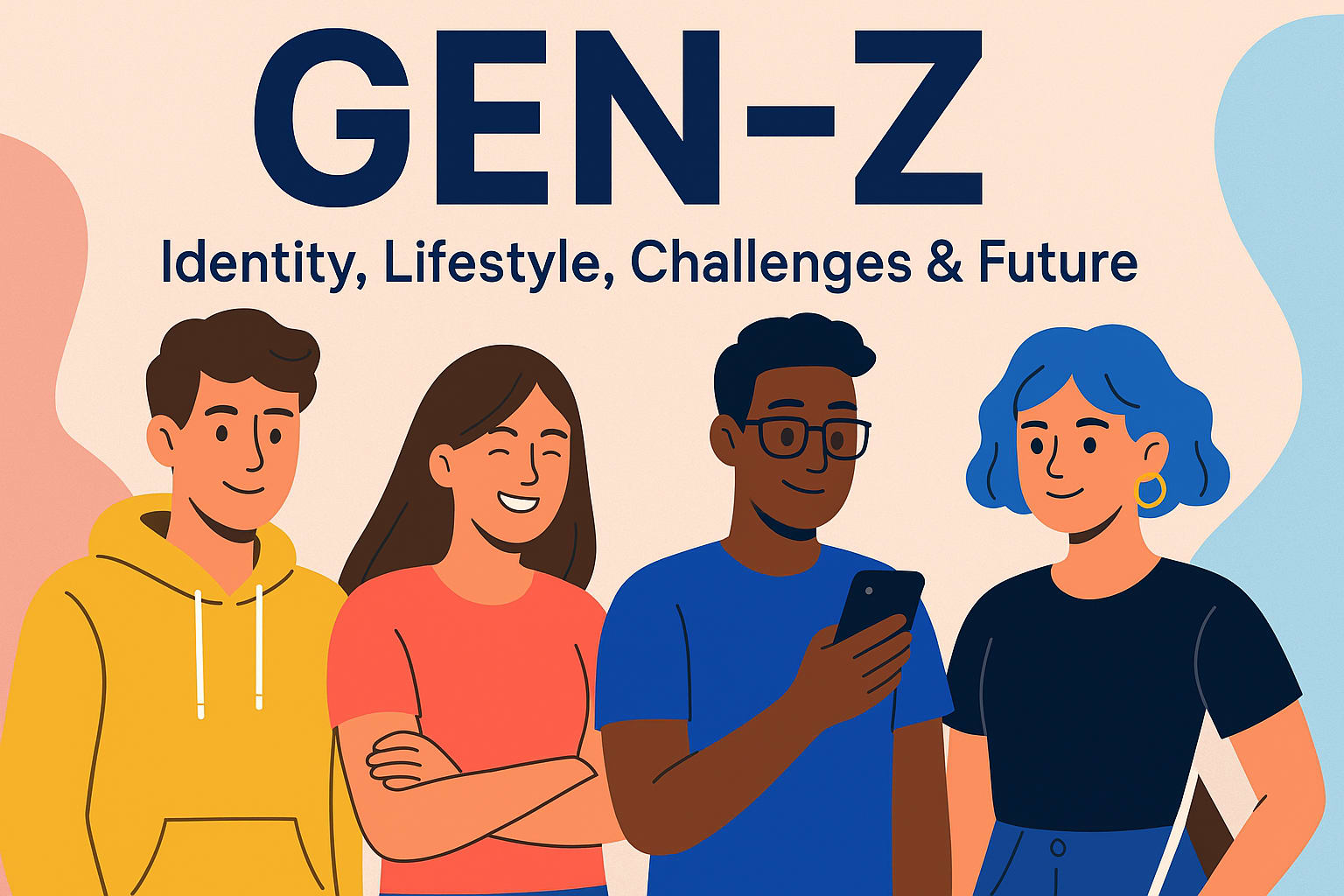
Introduction to Generation Z
Generation Z, also known as Gen-Z, refers to the group of people born approximately between 1997 and 2012. This generation is often called the “digital generation” because they grew up with smartphones, social media, fast internet, and technology becoming a natural part of life. Unlike previous generations, Gen-Z did not adapt to technology; they were born into it.
This generation is known for its unique thinking, creativity, fast learning habits, and strong presence in the digital world. Today, Gen-Z forms a major part of global students, young professionals, entrepreneurs, content creators, and future leaders.
In this article, we will explore every aspect of Gen-Z: their characteristics, thinking style, lifestyle, education, challenges, opportunities, roles in society, and how they are shaping the future. The goal is to provide a detailed and structured understanding of this generation from all angles.
Who Belongs to Gen-Z?
Gen-Z includes people born between 1997 to 2012. Though the exact years can vary slightly depending on different researchers, most common definitions fall within this range.
Age Group of Gen-Z (as of 2025)
- Youngest Gen-Z: around **13 years old**
- Oldest Gen-Z: around **28 years old**
This means Gen-Z includes school students, college students, new graduates, young professionals, freelancers, early-stage parents, and growing entrepreneurs.
Why Are They Called the “Digital Generation”?
Gen-Z has been connected to the digital world from the earliest age. They have never seen a life without smartphones, Google, YouTube, high-speed internet, or social media. This exposure has shaped their brain in a fundamentally different way from previous generations.
Key digital characteristics of Gen-Z:
- Started using smartphones and internet at a young age
- Comfortable with multitasking using digital tools
- Faster learning skills through videos, reels, and online tutorials
- High usage of apps like Instagram, YouTube, Snapchat, LinkedIn, and WhatsApp
- Early access to information compared to older generations
Because of this, Gen-Z is fast, adaptive, emotionally expressive, socially aware, and quick in decision-making.
Major Characteristics of Gen-Z
Generation Z carries a unique set of traits that differentiate them from Millennials and older generations. These characteristics are shaped by technology, global awareness, educational shifts, and rapid development of digital media. Understanding these traits is important to know how Gen-Z thinks, behaves, and reacts to society.
1. Highly Tech-Savvy
Technology is not a “skill” for Gen-Z — it is a natural part of their lifestyle. They learn faster on digital platforms and are comfortable with devices, apps, AI tools, and new technologies. They easily adapt to updated digital systems without difficulty.
2. Independent Thinkers
Gen-Z prefers to make their own decisions. They explore, research, and analyze information before believing anything. They question traditional norms and try to find modern, practical, and logical solutions.
3. Fast Learners
Because of early exposure to online tutorials, reels, micro-learning platforms, and visual content, Gen-Z learns quickly and efficiently. Their learning style is visual, short, and direct.
4. Socially Aware and Sensitive
Gen-Z is highly aware of issues like mental health, climate change, gender equality, privacy rights, unemployment challenges, and social justice. They openly discuss these topics and want a better, balanced society.
5. Multi-Tasking Ability
Gen-Z can handle multiple tasks at the same time — such as studying, chatting, listening to music, and browsing the internet. Their brain is trained to process fast-moving information.
6. Desire for Quick Results
Because everything is fast — internet, apps, communication — Gen-Z prefers quick outcomes. They look for shortcuts that save time, without reducing quality.
7. Creativity and Innovation
This generation loves to create — reels, videos, memes, designs, projects, startups, and online content. They think differently and try to bring fresh ideas into the world.
Understanding the Mindset of Gen-Z
The mindset of Gen-Z is shaped by digital growth, social media culture, global influence, and real-time information. Their priorities, expectations, and decision-making patterns are vastly different from previous generations.
1. Practical and Realistic
Gen-Z prefers practical solutions instead of theoretical explanations. They learn by doing and want real-world examples that make sense.
2. Career-Focused but Flexible
Though Gen-Z is highly career-driven, they do not want traditional, fixed paths. They explore freelancing, remote work, entrepreneurship, internships, and online earning opportunities. They want freedom and satisfaction, not just a job.
3. Mental Health Awareness
Gen-Z openly talks about mental health struggles such as stress, anxiety, pressure, competition, and loneliness. They value emotional balance and look for supportive environments.
4. Global Outlook
Gen-Z thinks beyond borders. They follow international content, online courses, foreign influencers, and global trends. Their thinking is borderless.
5. Short Attention Span
Because of fast content formats like short videos and reels, Gen-Z has a shorter attention span. They prefer quick, clear, and engaging information.
6. Strong Desire for Personal Identity
Gen-Z wants to express who they are — their style, beliefs, thoughts, goals, and creativity. They value individuality more than societal expectations.
The Education Style of Gen-Z
Gen-Z has redefined the education system through their fast-paced learning habits, use of technology, and preference for interactive study formats. Traditional memorization-based learning does not work well for them.
1. Digital and Interactive Learning
Videos, animations, short-explainer content, educational apps, and online platforms attract Gen-Z more than textbooks. They understand concepts faster when taught visually.
2. Self-Learning Approach
Gen-Z often learns through YouTube, online courses, tutorials, and communities. They believe in learning at their own pace.
3. Preference for Skills Over Degrees
Coding, designing, video editing, digital marketing, and language skills hold more value for Gen-Z. They focus on practical knowledge instead of only depending on traditional degrees.
4. Mixed-Mode Education
Blended learning (online + offline) is comfortable for them. They want flexible study patterns that suit their lifestyle.
5. Competitive and Curious Nature
Gen-Z is curious and competitive. They always look for new information, trending skills, and opportunities for growth.
Lifestyle of Gen-Z
The lifestyle of Gen-Z is shaped by digital connectivity, smart devices, high social media engagement, fast communication, and a modern approach to personal growth. They look for comfort, flexibility, and instant access to information. Their daily routine blends technology, creativity, education, and entertainment.
1. Hybrid Lifestyle
Gen-Z smoothly manages both online and offline life. They attend classes, learn new skills, socialize, shop, and communicate through their smartphones. They also maintain offline friendships, physical activities, and personal routines.
2. Fitness and Self-Care Consciousness
This generation focuses more on physical fitness, grooming, appearance, diet awareness, and mental well-being. They prefer gym workouts, home exercises, yoga routines, and meditation sessions available online.
3. Preference for Digital Entertainment
Entertainment for Gen-Z mainly comes from YouTube, Instagram, Reels, OTT platforms, music apps, gaming, and online communities. They prefer short, crisp, and engaging content rather than long traditional formats.
4. Modern Fashion Sense
Gen-Z loves experimenting with fashion. Oversized clothing, minimalistic looks, streetwear, gender-neutral designs, and comfortable outfits are some trends they follow actively.
5. Eco-Friendly and Value-Driven Living
Gen-Z supports sustainable fashion, cruelty-free brands, environment-friendly products, and waste-free lifestyles. They choose brands that reflect values, not just products.
Gen-Z and Technology
Technology is the foundation of Gen-Z’s lifestyle. From waking up to sleeping, technology plays a supportive role in almost all activities. They interact with smart devices naturally and understand digital tools faster than any previous generation.
1. Smartphone Dependency
Gen-Z uses smartphones for learning, communication, entertainment, productivity, and daily life tasks. Their phone is their personal world – notes, memories, ideas, social life, and education in one place.
2. Early Adoption of New Technology
Whether it's AI tools, new apps, smart gadgets, or social media updates, Gen-Z learns and adapts quickly. They understand UI/UX intuitively and easily shift from one tool to another.
3. Digital Payments and E-Wallet Culture
Gen-Z prefers online payments, UPI transactions, QR codes, and digital banking. They rarely carry cash and trust technology for money management.
4. Online Learning Platforms
Platforms like YouTube, Coursera, Udemy, Skillshare, and game-based learning apps are major knowledge sources for Gen-Z. They believe learning should be flexible, visual, and accessible anytime.
5. Gaming as a Major Hobby
A large portion of Gen-Z enjoys gaming – mobile gaming, e-sports, multiplayer games, and online competitions. Gaming improves strategy, coordination, and analytical skills.
Social Media Behaviour of Gen-Z
Social media has become an essential part of Gen-Z identity. They use platforms not only for entertainment but also for communication, learning, branding, business, and self-expression.
1. Platform Preferences
- Instagram – lifestyle, reels, trends
- YouTube – learning and entertainment
- Snapchat – quick communication
- LinkedIn – career building and networking
- WhatsApp – personal communication
2. Short Video Consumption
Reels, shorts, and short videos are highly popular. Gen-Z consumes fast, crisp content that delivers value within seconds.
3. Content Creation as a Lifestyle
Many Gen-Z individuals create content: reels, vlogs, memes, podcasts, blogs, educational videos, and artistic posts. Content creation boosts creativity and helps build personal identity.
4. Trend Awareness
Gen-Z stays updated with the latest trends, viral challenges, memes, and internet culture. They enjoy participating and creating trends.
5. Need for Online Validation
Likes, comments, and followers play a psychological role. While not always healthy, online appreciation boosts confidence for many Gen-Z individuals.
Communication Style of Gen-Z
Gen-Z communicates in a fast, expressive, and digital-friendly manner. Their communication style reflects their personality, modern thinking, and adaptability to technology.
1. Short and Direct Messages
They prefer short, clear messages instead of long paragraphs. Emojis, GIFs, and stickers are part of their daily communication.
2. Real-Time Interaction
Video calls, voice notes, instant messaging, and group chats are common. They value speed and convenience.
3. Openness in Conversation
Gen-Z is more open about personal experiences, emotions, achievements, and failures. They express their identity confidently.
4. Use of New Slang
Slangs and internet words change very fast, and Gen-Z adopts them quickly. Their language style evolves with trends.
5. Global Communication Style
Because they consume international content, their English style, tone, and expressions have a global influence.
Work Culture and Career Mindset of Gen-Z
Gen-Z is entering the workforce with new expectations, modern mindsets, and a unique career approach. They do not prefer traditional 9-to-5 jobs blindly. Instead, they seek meaningful work, flexibility, recognition, and growth-oriented environments.
1. Preference for Flexible Work
Remote work, hybrid jobs, freelancing, and work-from-anywhere models attract Gen-Z. They want freedom to work according to their schedule as long as the task is completed with quality.
2. Value Skill Over Degree
This generation believes real skills matter more than formal degrees. They focus on learning coding, designing, marketing, public speaking, video editing, and other practical abilities that make them strong competitors.
3. Entrepreneurial Thinking
Many Gen-Z individuals dream of starting their own business, brand, or online venture. They are inspired by content creators, startup founders, and young business leaders.
4. Multi-Source Income Mentality
Gen-Z does not depend on one income source. They look for side hustles like freelancing, content creation, part-time work, online selling, affiliate marketing, and digital services to earn extra.
5. Demand for Positive Work Environment
They expect respectful workplaces where mental health, transparency, communication, and growth are valued. Toxic work environments are instantly rejected by Gen-Z.
6. Quick Adaptability to New Roles
Gen-Z is comfortable switching roles, learning new software, and adjusting to different job responsibilities. They handle change well.
Major Challenges Faced by Gen-Z
Despite being technologically strong and socially aware, Gen-Z faces several modern challenges related to mental pressure, competition, digital dependency, and societal expectations. These challenges affect their personal and professional lives.
1. High Competition
From education to jobs, competition is extremely high for Gen-Z. They feel constant pressure to stay ahead and perform better.
2. Mental Health Struggles
Stress, anxiety, overthinking, loneliness, and performance pressure are common issues. Increased exposure to social media comparison also affects mental well-being.
3. Digital Overload
Being constantly online sometimes creates fatigue, attention issues, and reduced concentration. Excessive screen time reduces real-life interaction.
4. Unclear Identity and Expectations
The modern world gives unlimited choices, making decisions difficult. Many Gen-Z individuals struggle to find their true identity, career direction, and long-term goals.
5. Financial Pressure
Higher living costs, educational expenses, unemployment, and unstable job markets create financial stress for this generation.
6. Social Media Comparison
Comparing life with influencers and peers leads to insecurity. The desire for online validation sometimes damages confidence.
7. Confusion Between Passion and Practicality
Gen-Z wants to follow passion, but also needs financial stability. Balancing both becomes a challenge.
Opportunities for Gen-Z in the Modern World
The 21st century brings huge opportunities for Gen-Z across multiple sectors. With creativity, technology, and modern skills, they can achieve success faster than previous generations.
1. Growth in Digital Careers
- Web development
- App development
- AI and machine learning
- Cybersecurity
- Cloud computing
- UI/UX design
- Graphic design
These fields offer high-paying jobs and global career opportunities.
2. Rise of Creator Economy
Gen-Z can earn through YouTube, Instagram, podcasts, blogging, designing, online teaching, and personal branding. Content creation is now a professional career.
3. Startup Culture and Entrepreneurship
Young entrepreneurs are launching startups in tech, fashion, marketing, finance, and entertainment. Funding opportunities and online platforms make it easier to start a business.
4. Global Learning Access
Free and paid courses from global universities allow Gen-Z to learn skills from anywhere. This creates worldwide job opportunities.
5. Freelancing and Remote Career Options
Platforms like Fiverr, Upwork, and Freelancer provide earning opportunities to students and young professionals. Remote work allows working with international companies without relocation.
6. Multiple Streams of Income
Investing, trading, digital products, e-commerce, and online services help Gen-Z achieve financial independence early.
The Role of Gen-Z in Society
Generation Z is becoming a strong force in shaping the future of society. Their mindset, creativity, awareness, and digital power influence several areas including culture, economy, technology, and social values.
1. Digital Transformation Drivers
Gen-Z motivates businesses, education systems, and governments to adopt digital solutions. They support innovation and modernization.
2. Social Change and Awareness
They actively raise awareness about climate change, gender equality, mental health, ethical living, and social justice. Their voice influences public opinion.
3. Cultural Shift Creators
Gen-Z sets new fashion trends, entertainment styles, music tastes, and lifestyle patterns that society follows.
4. Future Job Market Shapers
Their choices decide which industries grow—tech, AI, content creation, freelancing, and sustainable businesses are expanding because of Gen-Z demand.
5. Innovation and Startups
With their creativity and entrepreneurial mind, Gen-Z contributes to new business ideas, apps, products, and digital tools.
6. Strong Influence on Economy
Their shopping behavior, online spending, product choices, and digital habits strongly impact the market.
The Future of Gen-Z
The future of Gen-Z is shaped by innovation, creativity, and digital mastery. As this generation enters adulthood, global industries, education systems, and economic structures are rapidly transforming. Gen-Z will play an important role in reshaping modern society through new ideas, technological advancements, and value-driven decision-making.
1. Technology and Innovation Leadership
Gen-Z will lead advancements in artificial intelligence, robotics, biotechnology, automation, virtual reality, and digital ecosystems. Their natural connection with technology makes them future innovators, developers, and thought leaders.
2. Transformation of Traditional Industries
From healthcare to finance and education to entertainment, Gen-Z will push industries to adopt digital models, automation, and personalized services. Companies need to evolve to match the expectations of this tech-forward generation.
3. Rise of Young Entrepreneurs
Startups, small digital businesses, e-commerce brands, and creator-led companies will grow significantly because of Gen-Z’s entrepreneurial mindset. They seek independence and want to build something of their own.
4. Social Change and Policy Impact
Gen-Z’s awareness about equality, mental health, environment, and ethical living will influence future policies and social movements. They will drive positive change through activism and digital voice.
5. Global Workforce Contributors
With remote work and digital collaboration becoming normal, Gen-Z will work with international teams, clients, and companies. Their ability to learn global skills gives them a competitive advantage.
Conclusion
Generation Z is a powerful and influential generation that carries creativity, intelligence, awareness, and adaptability. Their lifestyle is modern, their thinking is global, and their expectations are practical. Gen-Z values freedom, technology, growth, and individuality. They are shaping the future of education, careers, society, and innovation. Understanding Gen-Z helps parents, teachers, organizations, and policymakers build better systems for the future.
In many ways, Gen-Z represents the perfect balance between tradition and modernity — living in a fast-moving world while striving for purpose, authenticity, and emotional well-being. Their potential is limitless, and their impact on the future will be unforgettable.
Frequently Asked Questions (FAQs)
1. Who belongs to Generation Z?
Generation Z refers to individuals born between 1997 and 2012. They are known for their strong connection with technology, digital education, and modern lifestyle.
2. What makes Gen-Z different from Millennials?
Gen-Z grew up with smartphones, social media, and digital learning from a very young age, while Millennials experienced technology later in life. Gen-Z is more tech-savvy, independent, and fast-learning.
3. What are the strengths of Gen-Z?
Their strengths include creativity, quick learning, adaptability, technical skills, entrepreneurial mindset, and strong awareness of global issues.
4. What challenges does Gen-Z face?
They face challenges like mental health issues, digital dependency, high competition, social pressure, and confusion about career direction.
5. What jobs will be best for Gen-Z in the future?
AI engineering, software development, digital marketing, cybersecurity, content creation, entrepreneurship, and data science are some promising fields.
6. Why is Gen-Z highly active on social media?
Because social media provides entertainment, communication, learning opportunities, personal branding, and a platform to express creativity.
7. What values matter most to Gen-Z?
They value individuality, authenticity, financial freedom, mental well-being, equality, and continuous learning.



Discussion
0 comments
No comments yet. Be the first to share your thoughts!